UAE's Non-Oil Trade Soars to AED 1.93 Trillion in 7 Months, Reflecting Economic Resilience
 Layla Al Mansoori
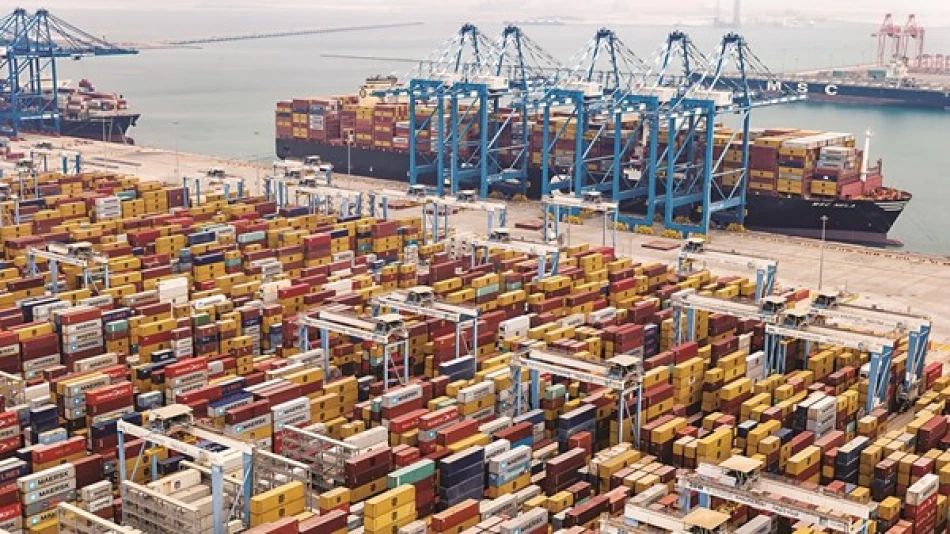
The UAE's non-oil foreign trade hit a record 1.93 trillion dirhams in the first seven months of 2025, marking a 24.7% jump from the same period last year. This puts the Emirates on track for another banner year as it cements its role as a global trading hub connecting East and West.
The growth was driven by a massive 44.8% surge in non-oil exports, which reached 432.2 billion dirhams. Re-exports climbed 12.8% to 396.2 billion dirhams, while imports grew 22.7% to 1.11 trillion dirhams. These numbers show the UAE isn't just buying more goods - it's also becoming a bigger producer and exporter in its own right.
Precious metals, gemstones and related products dominated the trade flows at 739 billion dirhams. Electrical machinery and equipment came second at 256 billion dirhams, followed by mechanical appliances at 158 billion dirhams. Vehicles including buses, tractors and motorcycles accounted for 138 billion dirhams, while fuel and mineral oils reached 71.2 billion dirhams.
The business boom shows up in the licensing data too. The UAE now has 1.388 million active business licenses as of July 2025, owned by 2.215 million people. That's a dramatic increase from just 145,000 new licenses issued in 2021. The numbers kept climbing - 181,000 in 2022, 225,000 in 2023, and 260,000 in 2024. Even in just the first seven months of 2025, 118,000 new licenses were issued.
Administrative services led the pack with 168,902 licenses, followed by manufacturing at 148,857. Information services grabbed 92,459 licenses, accommodation services took 87,907, and financial activities secured 53,579 licenses.
The job market reflects this economic expansion. The workforce participation rate hit 81.4%, up 3.7% from 2023. More importantly, unemployment dropped to just 1.9% - well below the global average of 4.96%. The International Labor Organization ranks the UAE among the world's lowest unemployment rates. The number of unemployed people actually fell 6.2% compared to 2023.
Services dominate employment at 63.8% of all jobs, while industry and construction account for 34.5%. Other sectors make up the remaining 1.7%. This employment structure shows a mature, diversified economy that's moved well beyond its oil origins.
The UAE's strategic location between continents continues to pay dividends. Its ports, airports, and land networks handle goods flowing between Asia, Europe, Africa, and the Americas. Bilateral and multilateral trade agreements keep opening new markets and partnerships, creating a snowball effect that attracts more businesses and trade flows.
For investors and businesses, these numbers signal a stable, growing market with strong infrastructure and business-friendly policies. The consistent year-over-year growth in both trade volumes and business registrations suggests the UAE's economic diversification strategy is working. Companies looking for a Middle East base or gateway to global markets are finding what they need here.