Gaza Patients Suffer Tragic Fate: 900 Reported Deaths Due to Denied Medical Evacuations
 Layla Al Mansoori
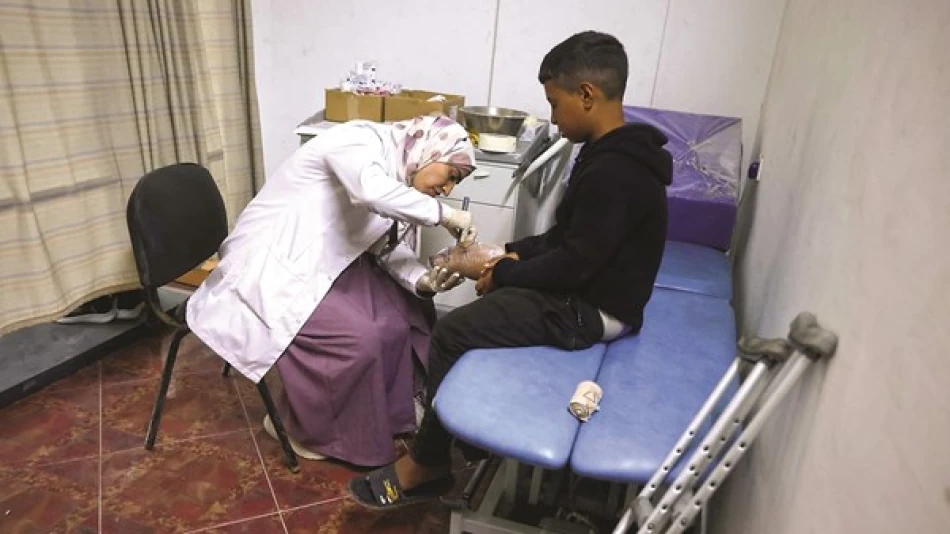
More than 900 patients in Gaza have died while waiting for medical evacuation due to Israeli restrictions on travel permits for treatment abroad, the World Health Organization announced. Around 16,200 patients are currently waiting for Israeli approval to travel, including 4,000 children who need urgent evacuation to save their lives.
The WHO said Gaza's hospitals are operating at less than half capacity because of fuel shortages, lack of medicines, and missing basic supplies. Since May 2024, the organization has carried out 119 evacuation missions, managing to transfer 8,000 patients for treatment outside Gaza, including 5,500 children. But thousands of patients still face an uncertain future as the health system collapses.
The International Committee of the Red Cross warned that Gaza's humanitarian crisis is getting worse. Amani Al-Naouq, the organization's spokesperson, said residents desperately need stable access to health facilities, clean drinking water, and working sewage systems. All of these require complex and expensive materials that are hard to get under current conditions.
With winter approaching, limited access to shelter, hygiene supplies, and warm clothing creates major concerns. Al-Naouq said it will take a long time before residents have basic necessities again.
Gaza's health system has nearly collapsed after months of steady decline due to the war. Some health facilities aren't working at full capacity, while others have shut down completely. There's a severe shortage of medical supplies just as wounded people keep flowing into hospitals, which hurts the quality of healthcare for civilians.
The Red Cross is supporting community kitchens and collective ovens for bread-making that serve as lifelines for hundreds of families during this difficult time. These services work under intense pressure to meet urgent needs and require much more supplies to expand their response.
More supplies have entered Gaza recently, but needs require a major increase in aid. Over the past two weeks, the Red Cross received more than 400 pallets of assistance materials, including hygiene supplies, household items, shelter materials, forensic supplies, and blankets, plus over 100 pallets of medical materials.
The organization currently has hundreds of pallets ready to enter Gaza, containing equipment and tools for maintaining water and sewage services, food supplies, household items like blankets and mattresses, medical materials, medicines, and devices to support treatment services. The aid also includes rehabilitation services and physical therapy for hundreds of people with life-changing injuries.
But Al-Naouq stressed that aid needs to enter at a faster pace to meet ground-level needs. This won't be a quick fix - it requires a response based on careful assessment of humanitarian needs and sustained international cooperation to keep essential supplies flowing to residents.