Yemen's Houthis Facing Weakest Phase Since Coup, Experts Reveal
 Layla Al Mansoori
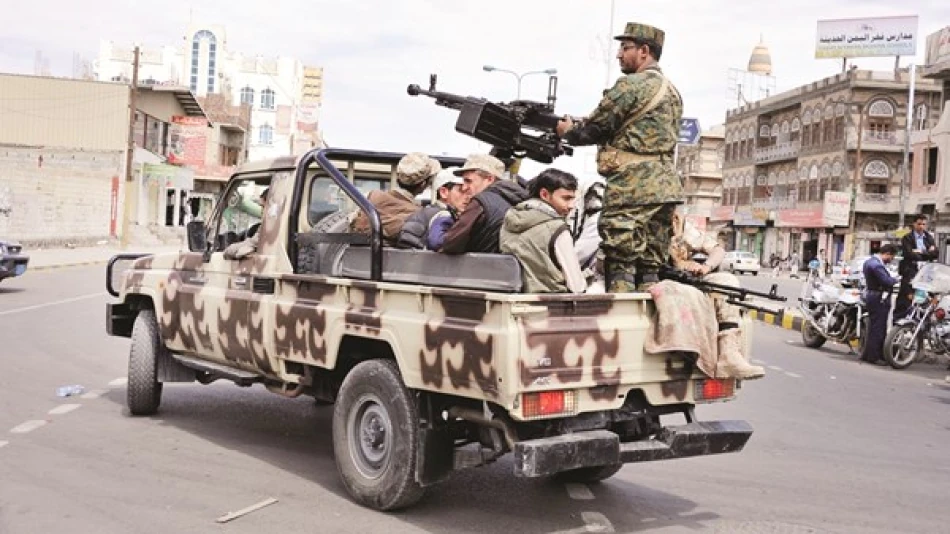
Yemen's government says the Houthis are at their weakest point since taking power in 2014. The Iran-backed group is now staging fake tribal rallies to hide how badly their organization is falling apart, according to officials in Aden.
Yemen's Information Minister Muammar al-Eryani told state media that two years of military strikes have left the Houthis badly damaged. He says they've lost huge numbers of fighters and are running out of money and weapons thanks to international efforts to cut off their supply lines.
"The Houthis are trying to cover up this unprecedented decline by organizing what they call 'tribal stands' and symbolic displays in areas under their control," al-Eryani said. "This shows how confused their organization has become and their desperate attempts to find any form of popular support after society has turned away from them."
The minister pointed out something important about Yemeni tribes. Throughout history, they've supported the republic and taken pride in their national and Arab identity. "They won't stand with the Houthis or be part of a project that seeks to swallow Yemen and turn it into a platform that threatens Arab national security," he said.
Here's where it gets interesting. Al-Eryani says the Houthis have actually been fighting Yemen's tribes since day one. Starting in Saada province, then moving to Amran and Sanaa, they've treated tribal leaders as their biggest threat.
The evidence backs this up. In areas around Sanaa, Amran, Dhamar, al-Bayda, Hajjah, and al-Mahwit, Houthis have raided tribal areas, arrested people, and kidnapped leaders. They've blown up tribal chiefs' houses, forced many into exile, and seized their property.
But the Houthis didn't stop there. They tried replacing traditional tribal leaders with their own people. They've starved communities, imposed illegal taxes, and forced young men to fight in their wars. The goal was simple: strip tribes of their national role and force them into the Houthis' sectarian system.
The economic stakes are significant here. Yemen's tribes control large areas and have historically played a key role in the country's stability. If the Houthis can't maintain tribal support, their ability to control territory becomes much harder.
For regional powers watching this conflict, the Houthis' weakening position could shift the balance. Saudi Arabia and the UAE have been fighting the group since 2015, while Iran has been backing them with weapons and funding.
Al-Eryani's assessment suggests the international pressure campaign is working. Cutting off the Houthis' money and weapons appears to be having real effects on their ability to function.
"The Houthis' attempt today to seek help from the tribes they fought against, whose symbols they displaced and whose men they tortured, doesn't reflect strength as they try to show," the minister said. "Instead, it shows the state of collapse they're experiencing and their failure to maintain internal cohesion."
The timing matters too. This comes as the Houthis face military pressure on multiple fronts and growing international isolation. Their recent attacks on commercial shipping in the Red Sea have drawn more international attention and potential military responses.
Whether the government's assessment proves accurate will depend on what happens on the ground in the coming months. But if tribal support really is slipping away from the Houthis, it could mark a significant turning point in Yemen's long-running war.