World Food Programme Reduces Aid Recipients in Yemen Amid Challenges
 Layla Al Mansoori
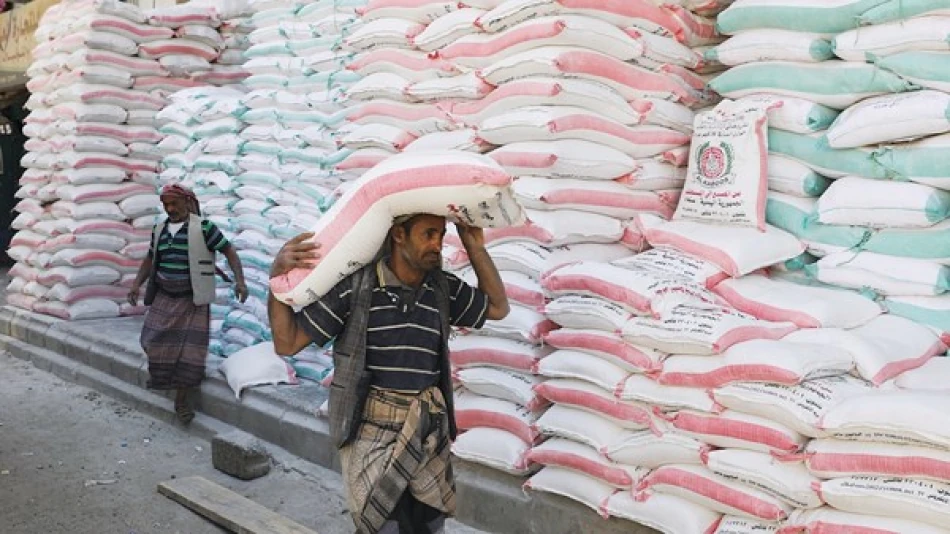
The World Food Programme will slash food aid to Yemen by more than half starting next year, cutting assistance to just 1.6 million people in government-controlled areas due to severe funding shortages. The move will leave 1.8 million Yemenis without food support in a country already facing the world's worst humanitarian crisis.
The UN agency announced it can only serve 1.6 million people in areas controlled by Yemen's internationally recognized government, down from 3.4 million currently receiving aid. That's a 53% reduction hitting a population already struggling with widespread hunger and malnutrition.
The program faces a massive funding gap of 68% of its total requirements, needing $151 million for the next six months. This shortage forces the agency to completely restructure its approach to aid distribution. The current sixth round of general food assistance, which began in late October, will be the last before switching to a new targeted emergency food program in January 2026.
But funding isn't the only problem. Yemeni rights activists say Houthi policies systematically block humanitarian aid from reaching millions who need it. The Iran-backed group has detained over 60 UN and international organization workers, creating what officials describe as a hostile environment that drives away relief organizations.
Nabil Abdul Hafiz, deputy minister of legal affairs and human rights in Yemen's government, told reporters that Houthis target both international UN staff and local humanitarian workers. This detention campaign directly undermines relief operations across the country.
The detentions violate multiple international agreements. Fahmi Al-Zubairi, director of the human rights office in Sanaa, called the kidnapping and detention of UN staff a clear violation of the four Geneva Conventions, which prohibit holding civilians hostage. These actions also breach UN staff privileges under 1946 and 1994 agreements.
Al-Zubairi pointed out that holding humanitarian workers constitutes a war crime under Article 8 of the Rome Statute of the International Criminal Court. He's calling for international accountability mechanisms through the UN Security Council and Human Rights Council, plus sanctions against Houthi leaders responsible for these crimes.
The situation creates a vicious cycle. Houthi interference reduces aid delivery, while funding shortages force further cuts to assistance. Yemen's civilian population pays the price as both international support and access to help shrink simultaneously.
Rights groups want an independent international investigation to document forced detention of UN and humanitarian organization staff. They're also pushing for better coordination between Yemen's government and international organizations to protect humanitarian workers and ensure they can operate safely.
Yemen's humanitarian crisis started with the civil war that began in 2014, but interference with aid operations and chronic underfunding have made recovery nearly impossible. The upcoming aid cuts will likely worsen conditions for millions already living on the edge of survival.