UAE to Become One of the World's Top 10 Space Economies by 2031
 Sara Khaled
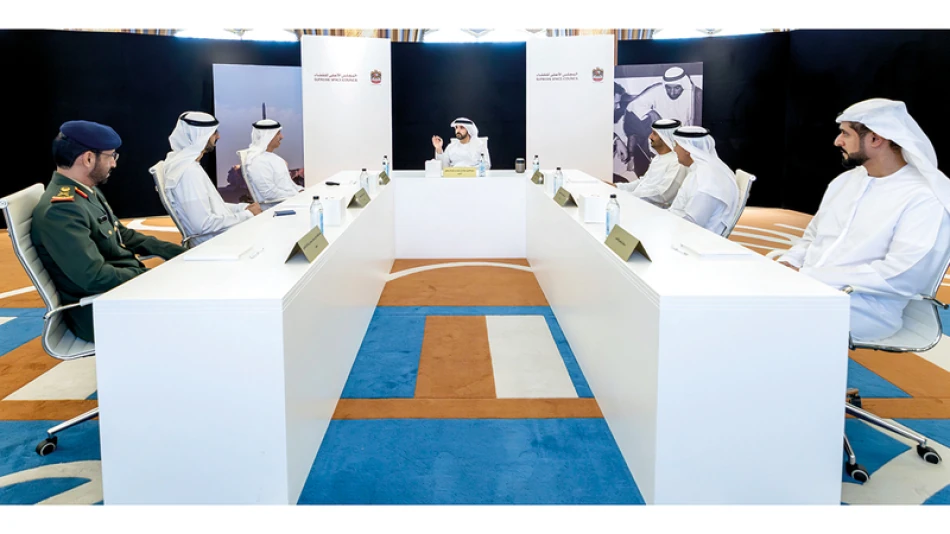
Dubai's Crown Prince Sheikh Hamdan bin Mohammed has announced ambitious plans to make the UAE one of the world's top 10 space economies by 2031, with targets to increase space economy value by 60% and double investment in space infrastructure. The announcement came during the second meeting of the Supreme Space Council, where officials reviewed a new strategic direction for the country's space sector.
The strategy focuses on three main goals: establishing the UAE as the most flexible and investment-attractive space ecosystem hub, strengthening global leadership in space partnerships and market access, and building world-class space infrastructure and facilities.
Here's what the numbers show. A national space survey revealed some impressive growth over the past five years. Combined government and private spending on space jumped 49%, while research and development funding increased nine times since 2019. The participation of Emirati women in the space sector also grew by 51% in 2025 compared to the previous year.
"Space investment is no longer a technical choice but a necessity to accelerate the growth of national space industries," Sheikh Hamdan said during the meeting. He emphasized that the sector has become one of the UAE's most strategic focuses for building a knowledge-based economy.
The new approach includes a National Space Industries Program designed to boost competitiveness and support both local and international companies operating in the UAE's space sector. The program offers economic and investment incentives for startups and established space companies, along with financing and operational support.
But there's more to this than just funding. The program aims to facilitate access to local and international markets through dedicated channels, giving companies opportunities within national commercial contracts. It also allows them to use the country's advanced space facilities.
The UAE plans to double its space exports to global markets over the next five years. This reflects the country's commitment to building innovation-based space industries and strengthening its global presence in this vital sector.
For investors and the broader market, this represents a significant shift in how Middle Eastern countries approach space technology. The UAE's focus on creating a complete ecosystem - from infrastructure to private partnerships - positions it as a regional hub for space commerce and innovation.
The strategy builds on the UAE's recent space achievements, including successful Mars missions and satellite programs. By 2031, the country wants to establish itself as a global center for advanced technologies, with a fully integrated space industry sector contributing to national development goals.
The meeting also reviewed outcomes from a space retreat held in October, which brought together ministers, over 100 government officials, and representatives from major national and international companies. This collaborative approach suggests the UAE is serious about creating a sustainable, long-term space economy that goes beyond government initiatives to include meaningful private sector participation.