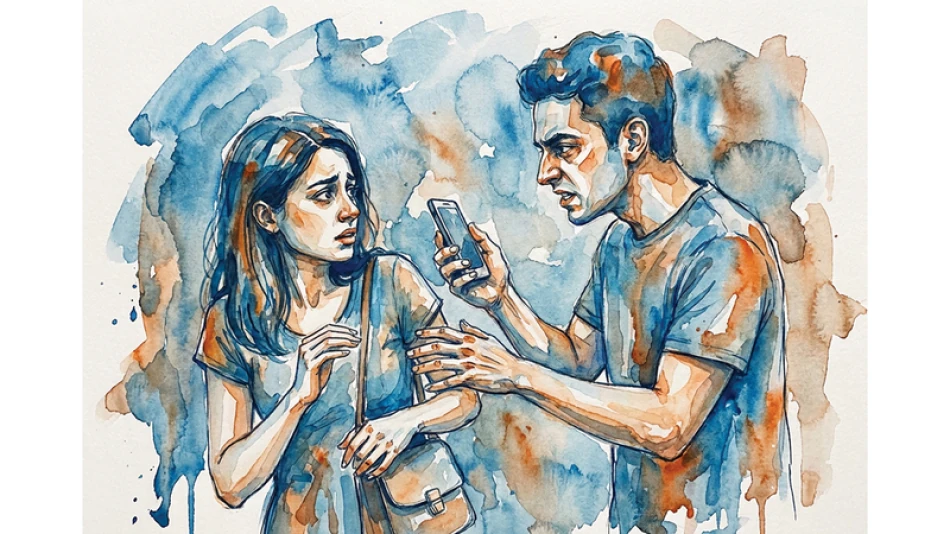
Woman Accuses Man of Extorting 250,000 Dirhams Through Threats and Blackmail
 Sara Khaled
An Abu Dhabi court ordered a man to pay 20,000 dirhams in compensation to a woman for psychological harm caused by his threats and blackmail attempts. The ruling comes after the man was criminally convicted for trying to extort money from the victim by threatening to file false complaints against her.
The woman initially sued for much more - 250,000 dirhams she claimed he stole through blackmail, plus another 150,000 dirhams for emotional damages. She told the court the man threatened her and demanded money transfers in exchange for not filing complaints against her. According to her testimony, he obtained 250,000 dirhams through two checks using these threats.
The case took an interesting legal turn when the defendant argued the court couldn't hear the civil case because a previous lawsuit had already been decided. But the court rejected this defense. The judges explained that the earlier case only dealt with the validity of a settlement agreement and related checks - it never addressed the criminal conviction or its legal consequences.
Here's where the court's reasoning gets important: They found that while the man was criminally convicted of threatening and blackmailing the woman, the conviction didn't actually prove he received any money from his threats. The criminal court established he made the threats using information technology programs, but stopped short of confirming any financial gain.
The woman couldn't provide solid evidence that money actually changed hands. She didn't present the specific check numbers she claimed were part of the blackmail scheme. She also failed to show that any payments happened outside of a separate settlement agreement from an earlier dispute.
So the court split the difference. They acknowledged the psychological harm was real - the threats caused genuine pain, distress, and negative mental effects that deserve compensation under UAE civil law. But they rejected the larger financial claims due to lack of evidence.
This case shows how criminal convictions can support civil lawsuits in the UAE, but only to a point. The court will use criminal findings as a foundation, but plaintiffs still need to prove their specific damages with concrete evidence. The 20,000 dirham award reflects the court's recognition that threats and blackmail cause real psychological harm, even when the financial impact remains unclear.