Unveiling the Pilgrimage's Storied Past: A Symposium on the History of Hajj and the Holy Sanctuaries
 Sara Khaled
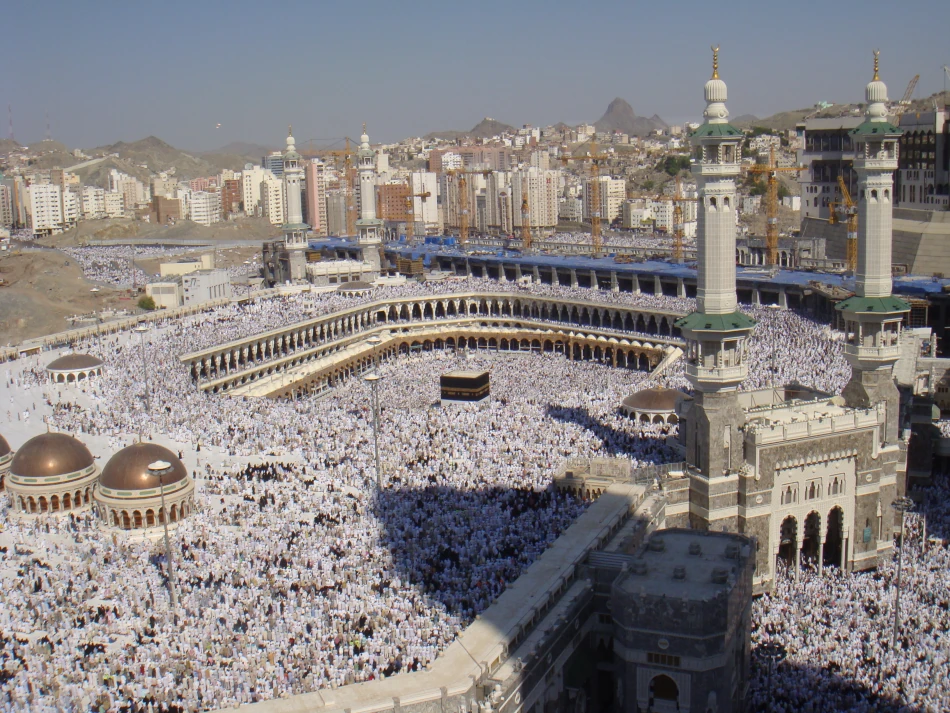
Saudi Arabia launched a major cultural conference in Jeddah focusing on the history of Hajj and the two holy mosques. The three-day event brings together historians, religious scholars, and technology experts to explore how pilgrimage services have evolved over centuries and how modern innovations are shaping the future of religious tourism.
Bridging Ancient Traditions and Modern Technology
The conference opened with remarks from Dr. Mohammed bin Abdul Karim Al-Issa, Secretary General of the Muslim World League. He emphasized how documenting the religious and cultural history of Hajj helps showcase Saudi Arabia's long-standing role in serving pilgrims throughout different eras.
The first day featured a discussion panel titled "The Cultural Scene in Mecca and Medina" led by Sheikh Dr. Saleh bin Abdullah bin Humaid, a member of the Council of Senior Scholars and advisor to the Royal Court. The session covered how Hajj services have transformed over time and Saudi Arabia's current efforts to improve pilgrim experiences through digital innovation.
From Crowd Management to AI Integration
Upcoming sessions will examine crowd control, transportation, and healthcare across different historical periods. These discussions reveal how past challenges shaped today's infrastructure and logistics systems. But here's where it gets interesting - the conference also explores how artificial intelligence and digital transformation are creating new ways to monitor crowds and manage pilgrim experiences with greater precision.
The event includes analysis of historical travel accounts and chronicles written by pilgrims and travelers over the centuries. These documents provide insights into how religious rituals and services evolved, offering valuable lessons for current operations.
Interactive Heritage Experience
The accompanying exhibition, which opened on November 9, offers visitors direct access to rare documents, manuscripts, and historical photographs spanning over 100 years of Hajj history. Digital displays and interactive presentations allow people to explore the holy sites and understand how pilgrim services developed over time.
The exhibition showcases archaeological artifacts that witnessed centuries of pilgrimage journeys. Through innovative digital techniques, visitors can experience the sacred sites and learn about the evolution of services provided to pilgrims and Umrah performers.
This initiative reflects Saudi Arabia's broader Vision 2030 goals in culture and tourism sectors. The kingdom is positioning itself as a global center for documenting authentic Islamic experiences while preserving the historical legacy of Hajj and the two holy mosques.
The conference represents significant economic stakes for Saudi Arabia's tourism industry. As the kingdom diversifies its economy beyond oil, religious tourism and cultural heritage become crucial revenue sources. The integration of modern technology with traditional pilgrimage services could set new standards for religious tourism worldwide.