UK Unveils Stricter Asylum and Immigration Policies: Navigating a Changing Landscape
 Sara Khaled
Britain is making its biggest changes to asylum policy in decades. The Labour government plans to make refugee status temporary and extend the wait for permanent residency from 5 to 20 years. The changes target people who can work but choose not to, and those who break the law.
Home Secretary Shabana Mahmood says Britain's current system is "extremely generous" compared to other European countries. Right now, people automatically get settled status after five years. That's about to change.
Under the new rules, refugee status will be reviewed every two and a half years. People will need to wait 20 years before they can apply for permanent settlement. The government will also scrap the legal duty to provide housing and weekly benefits to some asylum seekers.
But here's the key detail - these cuts only apply to asylum seekers who are able to work but refuse to do so, or those who violate the law. The government says taxpayer-funded support should prioritize people who contribute to the economy and local communities.
The timing matters. Immigration has overtaken the economy as voters' biggest concern, according to polls. Asylum applications hit 109,343 people by March 2025 - up 17% from the previous year and 6% above the 2002 peak of 103,081 applications.
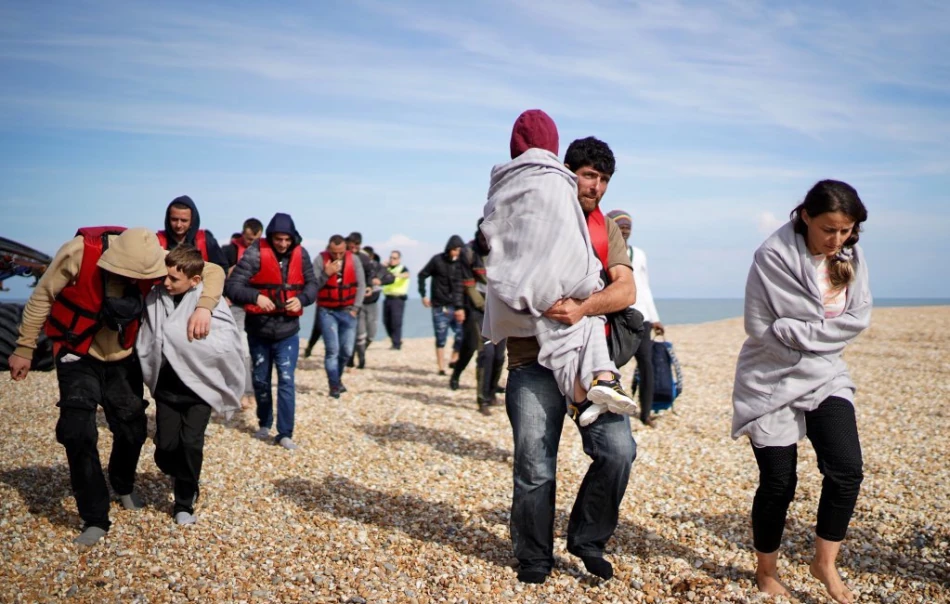
Labour is tightening its immigration stance, especially around illegal boat crossings from France. The party inherited this challenge from the Conservatives and is now taking a harder line than many expected.
Refugee protection will become "temporary, subject to regular review, and revoked" if home countries become safe again. This represents a major shift from Britain's traditionally permanent approach to refugee status.
Mahmood promised more details Monday, including announcements about Article 8 of the European Convention on Human Rights, which covers the right to family life. This suggests the government may limit family reunion rights or other protections that have made deportations difficult.
The changes reflect growing political pressure on immigration across Europe. Britain is joining countries like Denmark and the Netherlands in making asylum systems less attractive to discourage applications.