UAE Prioritizes Child Welfare in All Decisions and Policies, Says Sheikh Dhiyab bin Mohammed bin Zayed
 Layla Al Mansoori
The UAE is making child protection a national priority, with senior leadership emphasizing that children's physical and psychological safety sits at the heart of all government decisions and policies. This commitment comes as the country prepares to declare 2026 as the "Year of the Family" and celebrates World Children's Day under the theme "Listen to the Future! Stand up for children's rights."
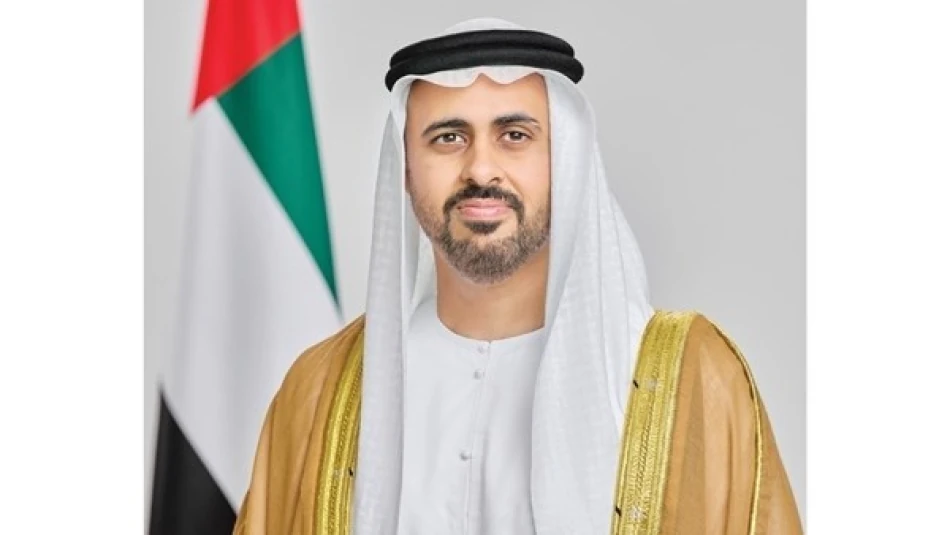
Sheikh Dhiyab bin Mohammed bin Zayed Al Nahyan, Deputy Chairman of the Presidential Court for Development Affairs and Martyrs' Families and Chairman of the Abu Dhabi Early Childhood Authority, said the occasion offers a chance to renew commitments to creating safe environments that respect children's rights. He stressed the need for children to grow within strong families, supportive communities, and effective institutions working together for future generations.
The centerpiece of Abu Dhabi's approach is the "Dam Al Aman" (Lasting Safety) system, a comprehensive framework that connects all relevant authorities to ensure child safety. The system starts with families as the primary foundation for protection and care, then extends through educational, social, and health sectors, reaching judicial and law enforcement agencies.
Here's what makes this system different: it creates direct links between previously separate departments. When a child faces danger, specialists can respond quickly through an integrated network rather than working in isolation. Abu Dhabi has already opened its first comprehensive Child Center, which provides all protection services under one roof in partnership with the Family Care Authority. A second branch opened in Al Ain, with plans for expansion across the emirate.
The practical results are showing. Abu Dhabi has trained hundreds of specialists including teachers, doctors, nurses, social workers, and public prosecutors through more than ten certified programs developed with the National Academy for Childhood Development. This training effort aims to build readiness across the entire child protection system at both emirate and national levels.
The initiative also launched an electronic reporting portal for safety concerns, allowing direct communication with specialists to ensure immediate intervention when children face any risk. This digital approach reflects how the UAE is adapting child protection methods to keep pace with rapid social and technological changes.
Abu Dhabi's child protection strategy runs from 2020 to 2024 and aligns with UN Sustainable Development Goals. The emirate positions this work as contributing to global child protection efforts, not just local improvements. The timing coincides with Abu Dhabi Early Childhood Week, creating broader awareness around children's rights and safety.
The economic implications are significant too. By building comprehensive child protection systems now, the UAE is investing in human capital that will drive future economic growth. Countries with strong child protection frameworks typically see better educational outcomes, reduced social costs, and more productive workforces over time.