UAE Pours $2.8 Billion into Egypt's Hospitality Sector, Fueling Tourism Growth
 Sara Khaled
A UAE-backed development company has signed a massive 42 billion Egyptian pound deal to build a mixed-use commercial and hotel project in New Cairo. The "Royal Said Towers" development spans nearly 28 acres and represents one of the largest Emirati investments in Egypt's growing hospitality sector, directly supporting the government's goal to attract 30 million tourists by 2030.
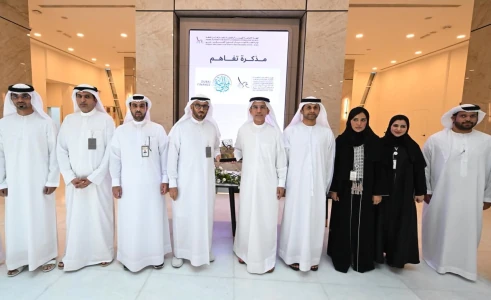
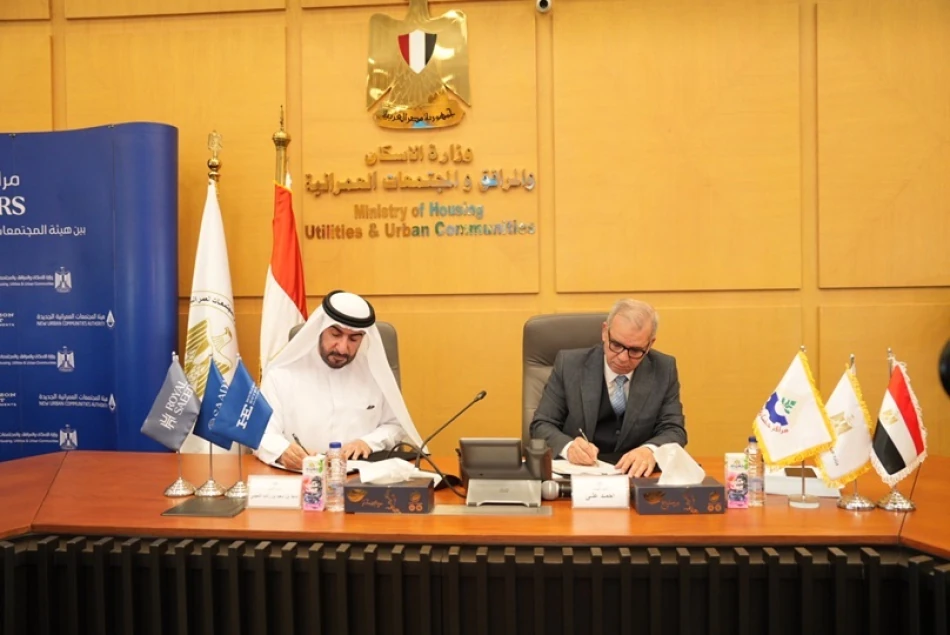
Horizon Egypt for Urban Development, led by Sheikh Dr. Majed bin Said Al Nuaimi, chairman of the Ajman Emirate's Amiri Diwan, signed the land allocation contract with Egypt's New Urban Communities Authority. The project will create two 150-meter towers with over 30 floors each, plus a world-class hotel that aims to elevate hospitality standards in eastern Cairo.
The timing makes sense for both sides. Egypt desperately needs hotel capacity to meet its ambitious tourism targets, while UAE investors see opportunity in the country's urban expansion plans. New Cairo has become a magnet for high-end developments, and this project puts Emirati capital right in the middle of that growth.
Location matters here. The towers sit strategically between New Cairo, Future City, and the New Administrative Capital. Major highways like the Suez Road, Ain Sokhna Road, and the Southern Ninety Axis all run nearby, making it accessible for business travelers and tourists.
Sheikh Al Nuaimi emphasized that Horizon Egypt focuses on "qualitative investment" that goes beyond traditional construction. He wants to build integrated urban communities that last generations, not just quick property flips. The company sees New Cairo's economic fundamentals and urban planning as solid foundations for long-term returns.
For Egypt's government, this deal shows their strategy of maximizing returns from investment land is working. Ahmed Ali Mohamed Hassan, deputy head of the New Urban Communities Authority's real estate and commercial sector, called it a model for effective development partnerships with Arab investors.
The economic impact extends beyond the initial investment. The project promises thousands of direct and indirect jobs, plus major purchases of local building materials and construction services. That multiplier effect could boost several industries while the hotel component adds to Egypt's hospitality infrastructure.
This fits into Egypt's Vision 2030 development plan, which prioritizes urban growth and tourism expansion. The project also strengthens economic ties between Egypt and the UAE, building on existing trade and investment relationships between the two countries.
Construction details remain limited, but the scale suggests a multi-year build timeline. The towers will create a new landmark on the area's skyline while the hotel component targets international hospitality standards.