UAE Leads Diplomatic Push to End Sudan's Civil War
 Layla Al Mansoori
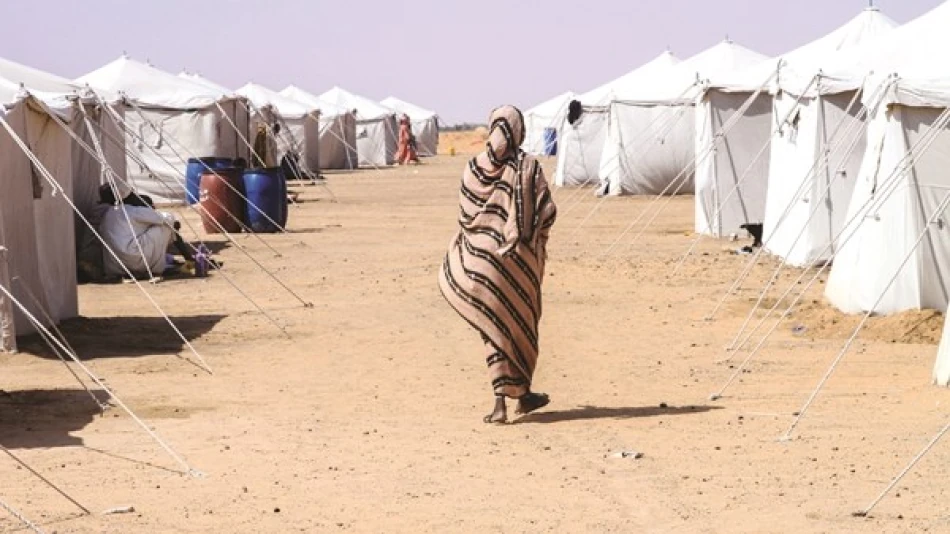
The UAE is leading a major diplomatic push to end Sudan's civil war, working through an international coalition that includes Saudi Arabia, the United States, and Egypt. This effort comes as Sudan faces one of its worst humanitarian crises, with civilians bearing the brunt of ongoing violence that has displaced millions and created widespread suffering.
The UAE's approach centers on supporting the Sudanese people rather than backing any particular warring faction. Lana Nusseibeh, the UAE's Minister of State, has repeatedly called for protecting civilians and ensuring humanitarian aid reaches all parts of Sudan without obstacles. She's also pushed for accountability for those committing crimes and violations.
Since the war began, the UAE has maintained a steady flow of humanitarian support. This includes medical airlifts, food aid, field hospitals, and care for displaced people both inside Sudan and in neighboring countries. The country has positioned itself as a mediator focused on dialogue rather than escalation.
International affairs researcher Mira Zayed Hamza points out that the UAE's presence in the international quartet reflects global confidence in its balanced diplomatic role. "The UAE practices its policies with transparency and calm, and continues working for Sudan's stability without paying attention to propaganda campaigns," she told local media.
The UAE has strongly condemned the horrific violations against civilians in war-affected areas, including the city of Al-Fashir. The country's foreign ministry emphasized that targeting civilians, residential areas, and vital facilities represents a serious escalation and clear violation of international humanitarian law.
But here's where it gets interesting from a regional perspective: The UAE's involvement signals how Gulf states are taking more active roles in African conflicts. This isn't just about humanitarian concerns - stability in Sudan affects trade routes, migration patterns, and security across the Red Sea region.
For international observers, the UAE's approach offers a template for how middle powers can engage in conflict resolution. Rather than picking sides, the country is betting on being seen as an honest broker. This strategy could pay dividends if a peace deal emerges, potentially giving the UAE influence in Sudan's reconstruction.
Sudanese activist Luna Mahdi praised the UAE's method, saying everyone should follow this approach of calling for peace and stopping violence against civilians. She noted that from day one of the conflict, the UAE has pushed for political solutions and democratic power transfers.
The challenge now is whether diplomatic pressure can translate into actual ceasefire agreements. Sudan's warring parties have broken previous truces, and the humanitarian situation continues deteriorating. The international quartet's success will largely depend on whether they can offer the right mix of incentives and consequences to force a lasting peace.