UAE and Oman Forge Robust Partnership to Build the Economy of Tomorrow
 Layla Al Mansoori
The UAE and Oman are deepening their economic ties with non-oil trade hitting 56 billion dirhams last year, marking a 9.8% jump from 2023. This makes Oman the UAE's second-largest trading partner in the Gulf Cooperation Council, and the numbers show how both countries are building stronger business connections beyond traditional oil commerce.
The growth tells a bigger story. Back in 2010, non-oil trade between the two countries was just 8.46 billion dirhams. By 2024, it had grown nearly five times over. This isn't just a recent trend either – trade volumes have climbed steadily almost every year since 2010, with only a small dip during 2020's pandemic disruption.
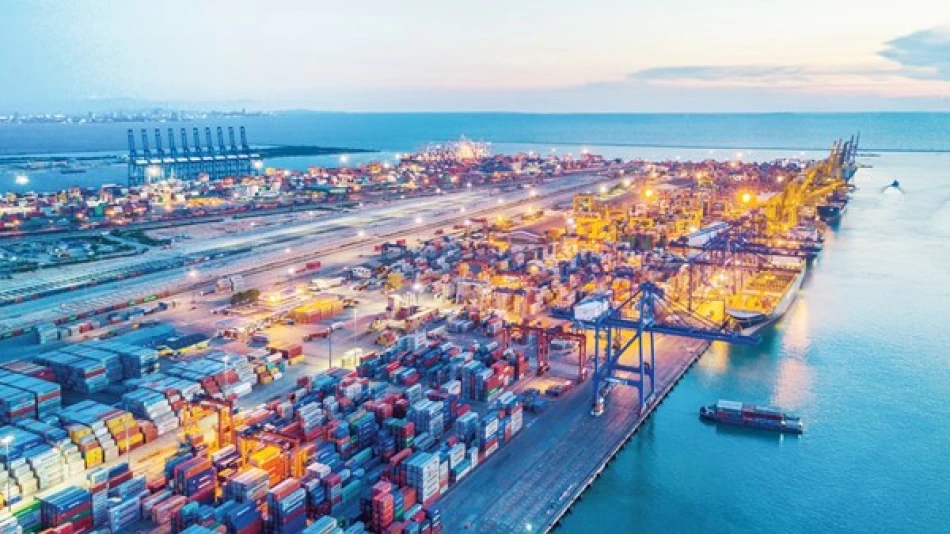
Here's how the trade breaks down: the UAE imported 13.8 billion dirhams worth of goods from Oman last year, exported 17.8 billion dirhams directly, and re-exported another 22.7 billion dirhams through its ports and logistics networks. This re-export figure shows how the UAE serves as a regional hub for Omani goods reaching global markets.
The relationship goes beyond simple trade numbers. In April 2023, both countries announced investment partnerships worth 129 billion dirhams during a joint business forum. These deals cover renewable energy projects, green minerals extraction, railway connections, and digital infrastructure investments. It's the kind of forward-looking cooperation that positions both nations for the post-oil economy.
Tourism flows are growing too. About 777,000 Omani visitors came to the UAE last year, up 24% from 2023. Omanis now represent the second-largest group of visitors to the UAE after Saudis. Gulf visitors overall made up 11% of all hotel guests in the UAE, totaling 3.3 million people in 2024.
Both countries are also working together on competition policy and market regulation. In June, UAE and Omani competition authorities met to share expertise on preventing monopolistic practices, especially in fast-growing digital markets and e-commerce platforms. They're developing joint workshops and data-sharing agreements to tackle cross-border competition issues.
The focus on digital platform economics makes sense. Both countries want to ensure their growing e-commerce sectors remain competitive as they expand. The UAE shared its experience regulating digital marketplaces under its 2023 competition law, while Oman is building similar capabilities.
For investors and businesses, this deepening partnership creates opportunities in logistics, renewable energy, and digital services. The railway connection project alone could reshape regional trade flows, while the green minerals initiatives position both countries in the global energy transition supply chain.
The steady growth in trade volumes, combined with major infrastructure investments, suggests this economic partnership will keep expanding. Both countries benefit from geographic proximity, cultural ties, and complementary economic strengths that make collaboration natural and profitable.