SpaceX to Establish a Mobile Network Provider, Expanding Connectivity Horizons
 Omar Rahman
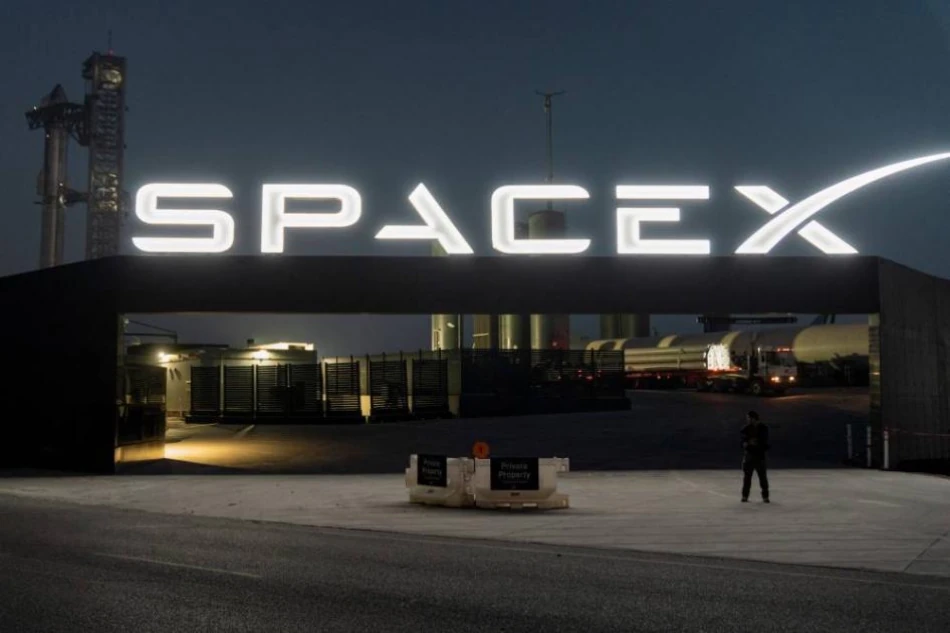
SpaceX filed to trademark "Starlink Mobile" with the U.S. Patent and Trademark Office in October, signaling Elon Musk's company plans to create its own mobile phone service using its growing satellite network. This move could shake up the telecom industry by offering direct satellite-to-phone connectivity without relying on traditional cell towers.
The filing came on October 16, according to the patent office website. But this isn't SpaceX's first step into mobile communications. The company already partners with T-Mobile to use its Starlink satellite constellation in low Earth orbit. That partnership aims to provide satellite-based connectivity in areas where regular cellular service doesn't reach.
Here's where it gets interesting. SpaceX completed a major $17 billion deal in September to acquire wireless spectrum from EchoStar Corp. This acquisition significantly expanded Starlink's ability to deliver mobile phone service directly to users without needing partnerships with existing carriers.
The timing makes sense from a business perspective. Traditional cellular networks still have major coverage gaps, especially in rural areas, mountains, and remote locations. Satellite-based mobile service could fill those gaps while also providing backup connectivity during natural disasters when cell towers go down.
For telecom companies, this represents serious competition. If SpaceX can deliver reliable mobile service through its satellite network, it could bypass the expensive ground infrastructure that traditional carriers have spent decades building. The company already has over 5,000 Starlink satellites in orbit, giving it a significant head start.
The trademark application suggests SpaceX is moving beyond just providing internet service through Starlink. Mobile phone service represents a much larger market opportunity, with billions of potential customers worldwide who rely on cellular connectivity for everything from basic calls to mobile internet access.
But there are still technical challenges. Satellite-to-phone communication requires more power and specialized equipment compared to traditional cell tower connections. The service will likely start with basic text messaging and emergency communications before expanding to full voice and data services.