Selfless Father Donates Deceased Daughter's Organs to Save 3 Lives; Infant's Kidney Transplant Cures Woman's Kidney Failure
 Sara Khaled
The UAE's national organ donation program has become one of the world's fastest-growing initiatives, driven by remarkable stories of families turning personal tragedy into hope for others. Since launching in 2017, the program has completed over 2,000 transplant operations and registered more than 36,000 donors.
Dr. Ali Al Obaidli, who heads the UAE's National Committee for Donation and Organ Transplantation, shared two stories that show why the program works so well. A father made the difficult decision to donate his five-year-old daughter's organs after her death, saving three lives. "I'm attached to my daughter, and God chose her," he said. "Because I'm attached to her and love her so much, I want her to leave this impact."
In another case, parents of a two-week-old baby donated their child's kidneys to a 48-year-old woman suffering from kidney failure. The transplant ended years of dialysis treatment and gave the recipient a new chance at life.
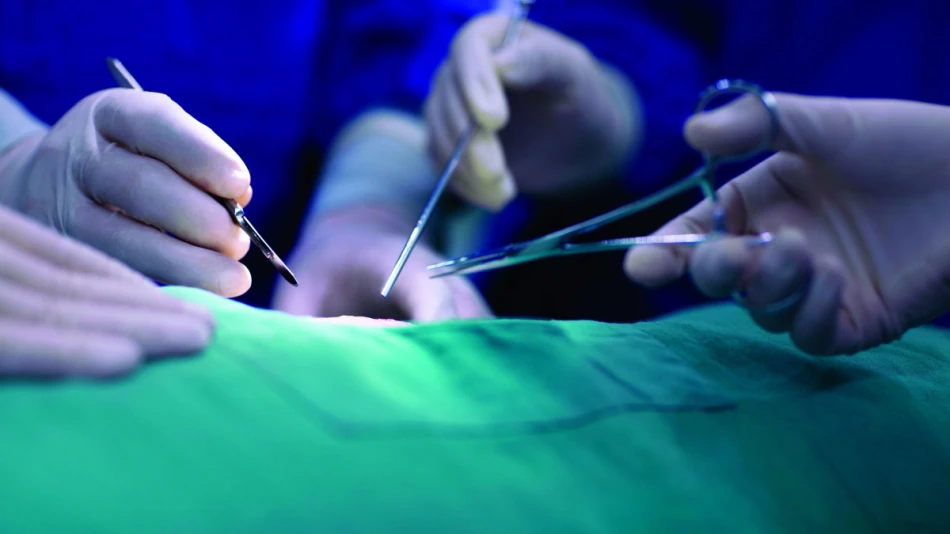
These personal decisions reflect a broader cultural shift in the UAE. The country now performs all types of complex organ transplants, including heart, lung, pancreas, liver, and kidney operations. Medical teams even handle complicated dual transplants that some international centers won't attempt.
But the UAE's success didn't happen by accident. Officials built a complete system starting with legal frameworks that align with religious guidance, then trained over 10,000 healthcare specialists to meet international standards. This approach differs from other countries that promoted donor registration before building proper medical infrastructure, leading to failed programs.
The global organ shortage remains severe - donated organs meet less than 10% of actual need worldwide. Dr. Al Obaidli explains this gap comes from rising chronic diseases as populations age, combined with limited technical capabilities in many countries to run transplant programs.
There's also a cultural challenge. Studies show 70-90% of people support organ donation in principle, but far fewer actually register as donors. "Humans naturally want to save others, but they need the right information at the right moment to turn that feeling into actual registration," Al Obaidli said.
For investors and healthcare systems, the UAE model offers important lessons. The country leads globally in annual growth rates for post-death donation by focusing on medical infrastructure first, then public awareness. A 2016 study found 68% of UAE residents already supported donation after death - matching global averages - before major awareness campaigns began.
The program also emphasizes prevention alongside transplantation. Many organ failures can be prevented through lifestyle changes, healthy eating, and regular exercise. "The chance someone will need a transplant during their lifetime is higher than the chance they'll become a donor," Al Obaidli noted. "Supporting donation culture and prevention benefits everyone."
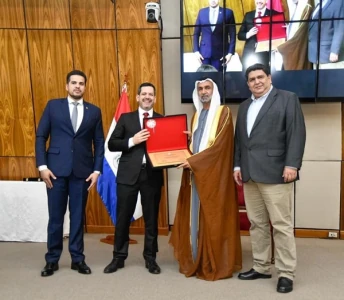
The international organ donation statistics observatory recently highlighted the UAE's rapid growth compared to other nations. This recognition places the country among leading examples of building sustainable transplant systems.
Registration in the national "Hayat" (Life) program takes just one minute and can make the difference between life and death for someone else. The program's success shows how combining proper medical infrastructure with cultural sensitivity can address one of healthcare's most challenging problems.