Renowned Lawyer Vows to Arrest Netanyahu if He Visits New York
 Sara Khaled
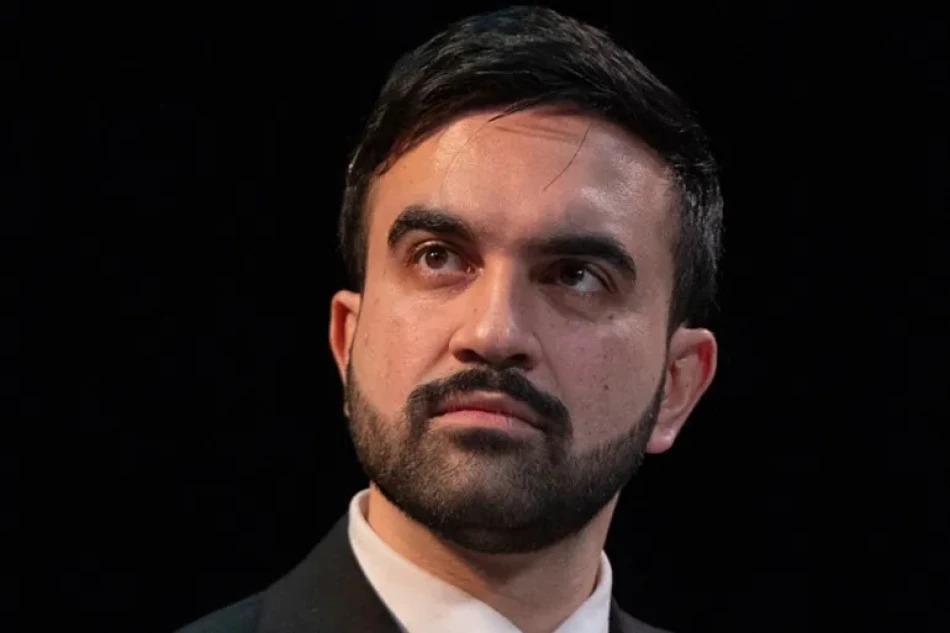
New York City's mayor-elect Zuhran Mamdani says he'll order the arrest of Israeli Prime Minister Benjamin Netanyahu if he shows up for next year's UN General Assembly. Speaking to ABC News, Mamdani promised to find "every possible legal avenue" to enforce international arrest warrants in his city.
This puts New York on a collision course with federal policy. The US doesn't recognize the International Criminal Court's jurisdiction and has historically protected Israeli leaders during UN visits. But Mamdani sees it differently.
"I've said repeatedly that this is a city that applies international law," he told ABC News. "This means international law must be respected, including arrest warrants issued by the International Criminal Court in The Hague. It doesn't matter if they're against Benjamin Netanyahu or Vladimir Putin - we need to show our values."
The mayor-elect drew a sharp contrast with former President Donald Trump. "Unlike Donald Trump, I work within existing law and don't invent my own laws. So I will do my utmost to respect these warrants."
Mamdani went further, making his enforcement of ICC warrants a test of his leadership. "If Netanyahu enters New York and I don't do my utmost to prevent it, I won't consider myself mayor of New York," he said.
The ICC issued arrest warrants for Netanyahu and other Israeli officials over alleged war crimes in Gaza. Most countries are required to arrest anyone with outstanding ICC warrants who enters their territory. But the US isn't an ICC member and typically provides security for world leaders attending UN sessions.
This creates a messy legal situation. Federal authorities handle security for the UN, but local police make arrests within city limits. How this would play out in practice remains unclear, especially given the diplomatic immunity that usually protects visiting heads of state.
For investors and markets, this adds another layer of uncertainty to US-Israel relations. Any confrontation between city and federal authorities could create diplomatic tensions that ripple through defense contracts and regional stability calculations.