Leading Visionary Unveils Pivotal 5-Year Plan to Propel Future Industry
 Sara Khaled
The UAE is positioning itself as a global pioneer in building knowledge-based economies, with officials emphasizing that the next five years will be critical for shaping the future through human capital investment. This comes as Dubai hosts the 10th Knowledge Summit, a major international platform that has grown into a significant reference point for global institutions over the past decade.
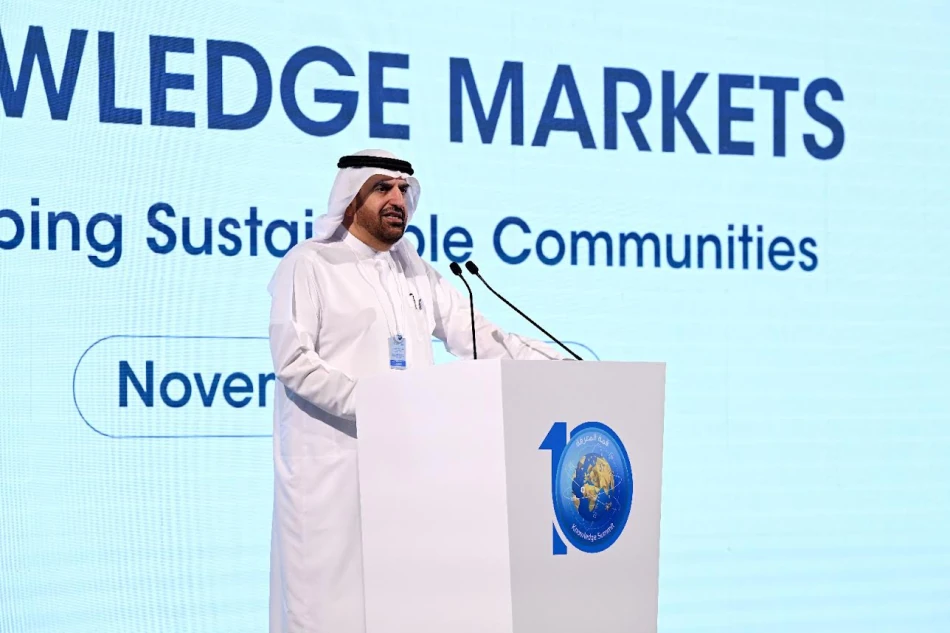
Jamal bin Hwereb, CEO of the Mohammed bin Rashid Al Maktoum Knowledge Foundation, told attendees that the UAE represents an advanced model for knowledge economy development. The country's approach centers on investing in people and creative minds as the most sustainable resource available.
The summit, held under the patronage of Sheikh Mohammed bin Rashid Al Maktoum, has established itself as an annual gathering for innovative thinkers, experts, and decision-makers. Over its nine previous editions, the event has hosted more than 900 global speakers and organized over 1,000 sessions, reaching more than two million cumulative viewers across digital platforms.
Here's where it gets interesting: the summit produces annual reports, indicators, and knowledge projects that have become trusted references for international institutions. The Global Knowledge Index, in particular, has helped countries build more prepared and sustainable societies.
This year's theme focuses on "Knowledge Markets: Developing Sustainable Communities." The emphasis is on converting knowledge into economic and creative value that can support sustainable economies, boost innovation, and put data and scientific research to work for development purposes.
The 2025 edition prioritizes establishing fair access to knowledge as a fundamental right and driver of development. It aims to strengthen dialogue between governments, academics, entrepreneurs, and civil society to create policies that can keep pace with rapid global changes, especially in artificial intelligence and advanced technologies.
Bin Hwereb stressed the importance of continuous adaptation, warning that those who don't change will find circumstances changing around them, leading to decline. "Those who don't develop won't catch the world's fast-moving train," he said.
For policymakers and business leaders, the summit represents a significant opportunity to understand how knowledge economies are evolving. The UAE's model demonstrates how strategic investment in human capital and knowledge infrastructure can create competitive advantages in an increasingly digital global economy.
The timing matters too. As countries worldwide grapple with economic transformation and technological disruption, the insights and frameworks developed through events like this could influence how nations structure their development strategies for the coming decade.