Morocco Flood Toll Rises: Tragic Aftermath Demands Urgent Response
 Layla Al Mansoori
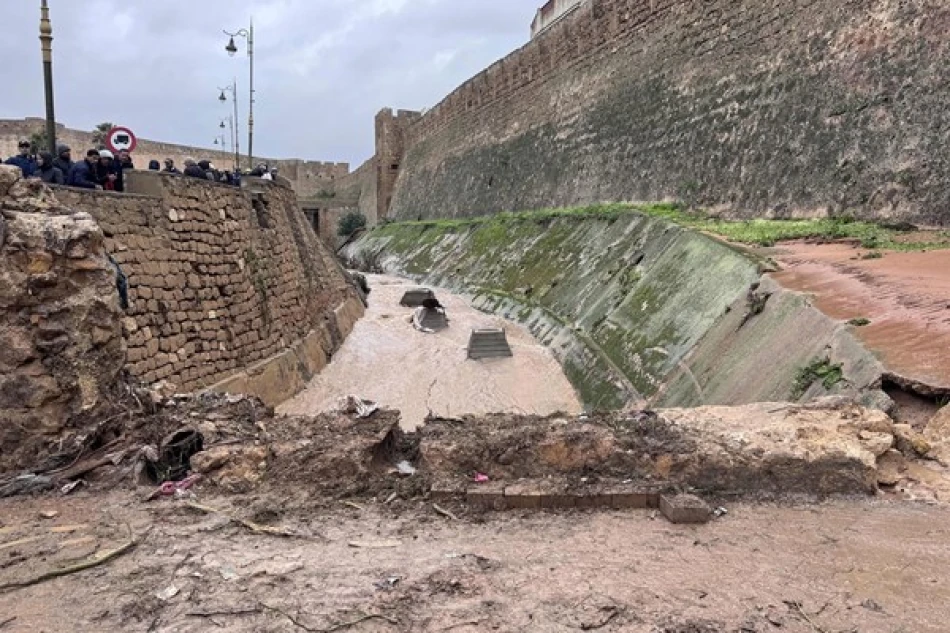
Flash floods killed 37 people in the Moroccan coastal city of Safi, marking the deadliest weather disaster in the country in a decade. The Atlantic Ocean port city, located about 300 kilometers south of Rabat, was hit by severe thunderstorms that unleashed torrential waters within just one hour.
The flooding devastated homes and businesses across Safi, with the historic old market bearing the worst damage. The marketplace sits directly in a riverbed, which turned it into a death trap when the waters rushed through. Storm runoff swept through the ancient commercial district, destroying shops and trapping people inside.
Morocco's Atlantic coast rarely sees this level of destruction from weather events. The last comparable disaster happened over ten years ago, making this flood particularly shocking for local authorities and residents.
Safi serves as an important fishing port and industrial center for Morocco's phosphate industry. The city's location made it vulnerable - sitting between the ocean and inland areas where storm water naturally flows toward the coast.
The one-hour timeframe shows how quickly the situation turned deadly. Residents had little warning as the storms moved in from the Atlantic and dumped massive amounts of rain on the city. The old market's position in the riverbed, while historically useful for trade, became a fatal flaw when the waters rose.
This disaster highlights Morocco's exposure to extreme weather events, which have become more unpredictable in recent years. Coastal cities like Safi face particular risks from sudden storms that can overwhelm drainage systems and flood low-lying areas.