Kia's Octogenarian Reinvents Itself with Futuristic Concept Car
 Omar Rahman
Kia marked its 80th anniversary by acknowledging the tough road ahead while promising to get back to basics. The Korean automaker faces mounting pressure from Chinese competitors and global supply chain shifts, but executives say the company's history of surviving crises gives them confidence for what's next.
The celebration wasn't just about looking back. Hyundai Motor Group CEO Chung Euisun reminded everyone that Kia's founder Kim Chul-ho dreamed of building airplanes even while making bicycles. "He pursued a vision that was far ahead of his time," Chung said during the weekend ceremony.
That forward-thinking approach built Korea's mobility foundation, starting from motorcycles to the country's first integrated car manufacturing plant. But the journey hit a major bump when Kia went bankrupt in 1997 during the Asian financial crisis. Hyundai Motor Group stepped in the following year, and the acquisition proved smart for both companies.
Now Kia faces a different set of challenges. Chinese automakers are pushing hard into global markets with competitive electric vehicles. AI is reshaping how people think about transportation. And trade tensions keep shifting the rules for international manufacturers.
Kia CEO Song Ho-sung isn't sugarcoating the situation. "We will never be complacent about our past crisis," he told the audience of 400 government officials and executives. The company plans to focus on creating real value through eco-friendly vehicles and software-based services.
The automaker is betting big on Purpose Built Vehicles (PBVs) as its next major revenue source. These aren't regular cars but specialized commercial vehicles designed for specific tasks. Kia launched its first PBV model, the PV5, this year, hoping to crack open a new market for modular commercial vehicles.
For investors and industry watchers, Kia's strategy makes sense. The commercial vehicle market offers steadier demand than consumer cars, and the modular approach could cut manufacturing costs. But success depends on whether businesses actually want these specialized vehicles and if Kia can scale production efficiently.
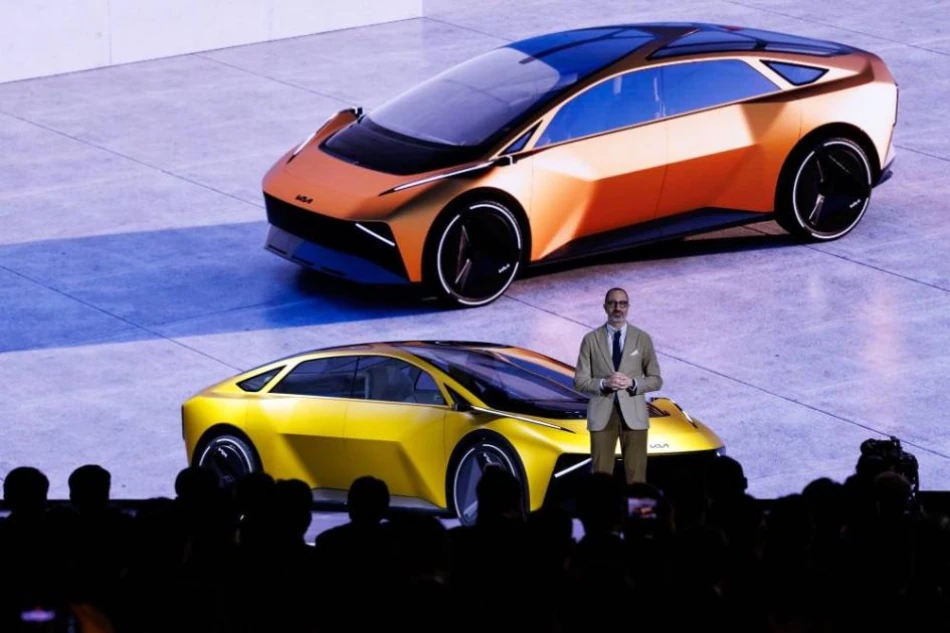
The company also unveiled a concept car called the Vision Meta Turismo, which reimagines 1960s grand touring style for modern times. Along with an 80th anniversary book covering the brand's history, these releases show Kia trying to balance respect for its past with bold moves toward the future.
The real test comes in how well Kia executes this vision. The company survived bankruptcy and rebuilt itself once before. Whether that resilience translates to success against today's challenges will determine if this anniversary celebration was just nostalgia or the start of another comeback story.