Dubai Ports World Expands Strategic Border Infrastructure in Afghanistan
 Layla Al Mansoori
DP World has signed a deal with Afghanistan's government to modernize and operate the country's two most important border crossings - Torkham and Hairatan. This partnership could transform Afghanistan into a major trade corridor connecting Central and South Asia, but the project faces significant challenges given the country's current political situation.
The Torkham and Hairatan crossings handle billions of dollars worth of goods each year. Trade between Afghanistan and Pakistan alone exceeded $1.6 billion in 2024. But outdated infrastructure and manual processes create major bottlenecks that slow down commerce.
Here's where it gets interesting: Afghanistan sits at a crossroads between major regional economies. If these border facilities work properly, the country could become a key transit route for goods moving between Central Asia, South Asia, and beyond.
The agreement follows a public-private partnership model. DP World will first conduct a comprehensive feasibility study before moving forward with the full project. The Dubai-based port operator plans to modernize infrastructure, install advanced cargo handling systems, and digitize border operations.
For investors and regional governments, this deal signals renewed interest in Afghanistan's economic potential despite ongoing political uncertainties. Efficient trade routes can boost economic stability across the region. Countries like Pakistan, Iran, and Central Asian nations could benefit from smoother cargo flows.
The project will prioritize local hiring and skills development. Afghanistan's government will continue handling sovereign border services including customs, immigration, security, and regulatory oversight. DP World will focus on the operational and infrastructure side.
Sultan Ahmed bin Sulayem, DP World's chairman and CEO, emphasized that better border infrastructure can create stability and opportunities. The company believes smarter, well-managed border facilities can pave the way for Afghanistan to build stronger connections with neighboring countries.
But here's the challenge: international businesses remain cautious about major investments in Afghanistan given the current political environment. The success of this project will depend heavily on maintaining stable operations and meeting international standards for trade facilitation.
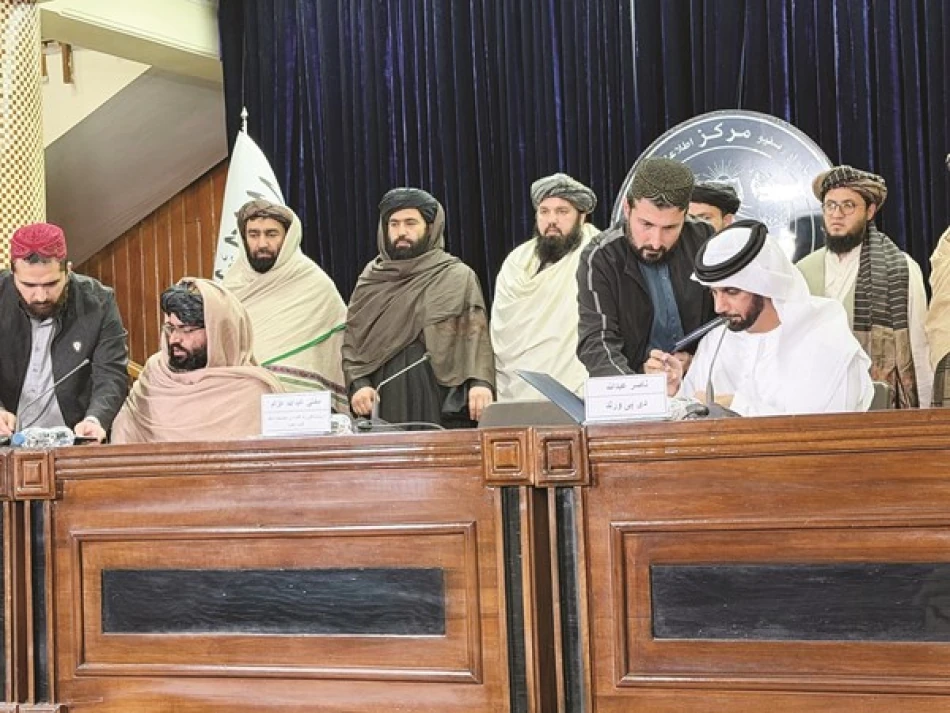
The agreement was signed by Haji Mufti Abdul Mateen Saeed, Afghanistan's Deputy Minister of Revenue and Customs, and Nasser Al Neyadi, DP World's Executive Vice President. The timeline for implementation and the full scope of investments haven't been disclosed yet.