International Space Conference Spotlights Global Collaborations
 Omar Rahman
Major space partnerships took shape at a global space conference, with the UAE positioning itself as a key player in international space cooperation. The agreements signed connect Middle Eastern nations with established space powers, signaling a shift toward regional space development and commercial opportunities.
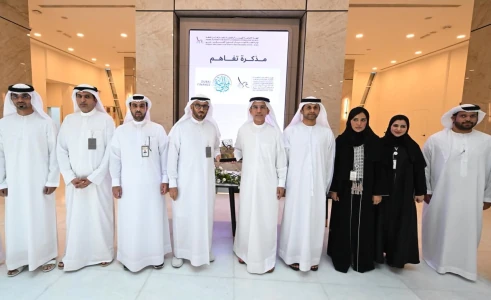
The Maldives Space Research Organization signed a partnership with Alliancense, a UAE company from the Economic Space Zones program. This deal aims to build the Maldives' sovereign space capabilities and create joint research projects. It's part of a broader trend where smaller nations partner with emerging space powers to develop their own programs.
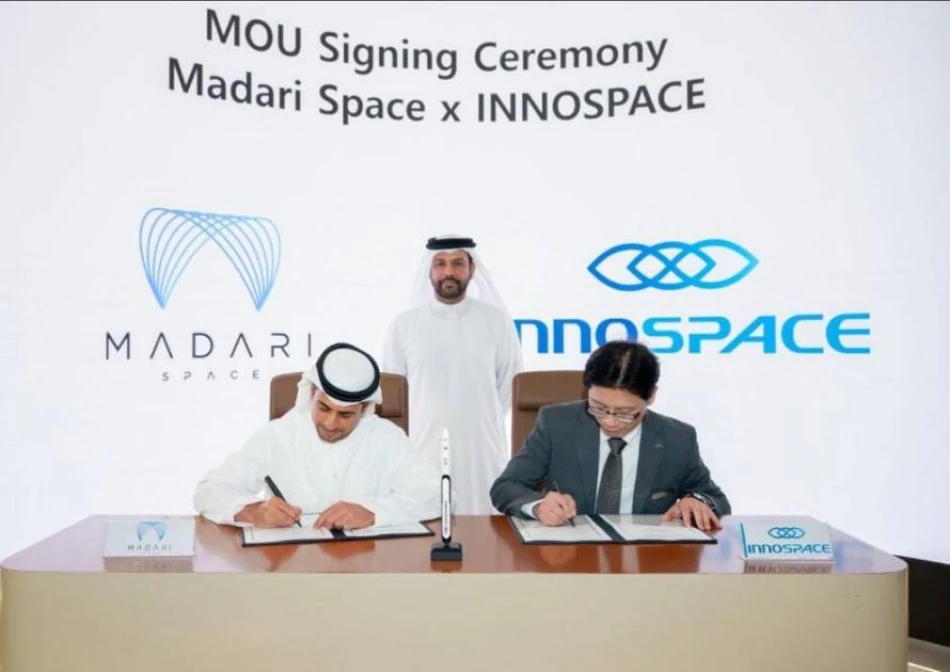
A second agreement brought together UAE's Madari Space and South Korea's Innospace, a leading global launch services provider. This partnership opens doors for Madari to enter the Korean market and gives both countries better access to government agencies for data security and advanced space missions.
The conference's second day focused on how space technology connects to real-world needs on Earth. Industry leaders discussed the economic value of space-derived applications and how regional cooperation can drive innovation. The sessions included high-level government officials, space agency heads, and private sector leaders.
**Building Regional Space Power**
The Middle East is making a serious push to become a space innovation hub. The UAE and Saudi Arabia are leading this effort, with both countries investing heavily in space technology and infrastructure. The conference highlighted how the region plans to capture economic opportunities through cross-border initiatives and technology investments.
One session examined "direct-to-device satellites" in Gulf Cooperation Council countries, presented by Novaspace. This technology could create new communication frontiers in a region that's rapidly expanding its digital infrastructure.
**Commercial Space Focus**
The discussions emphasized commercial space stations and satellite intelligence driving trillion-dollar markets. These technologies are transforming life sciences, climate resilience, and global connectivity. The conference explored investment opportunities and public-private partnerships that could accelerate development.
Low Earth Orbit emerged as a key theme, with speakers discussing how commercial space stations and satellite networks create new business models. The focus on Earth-to-orbit networks shows how space technology is becoming more integrated with terrestrial applications.
For investors and governments, these partnerships represent a strategic shift. Countries that previously relied on established space powers are now building their own capabilities through regional cooperation. This creates new markets and opportunities, but also increases competition in an already crowded space economy.