Guinea-Bissau Coup d'État: President Detained, Elections Suspended
 Sara Khaled
Military officers in Guinea-Bissau seized control of the country Wednesday, arresting outgoing President Umaro Sissoco Embaló and suspending elections that took place just three days earlier. The coup comes amid disputed election results, with both the president and his main opposition rival claiming victory before official results were announced.
Speaking on state television, military spokesman Denis Nchama said the "Supreme Military Command for the Restoration of National and Public Order" had decided to immediately remove the president and suspend all state institutions "until further orders." The military also closed the country's borders and halted all media activities.
The officers justified their actions by claiming they discovered an ongoing plot to destabilize the country. Nchama said both local and foreign citizens attempted to "manipulate election results to execute this plan," though he provided no specific evidence for these allegations.
Reports of gunfire near the presidential palace in the capital Bissau preceded the coup announcement. Along with President Embaló, the military arrested Armed Forces Chief of Staff General Biague Na Ntan, Deputy Chief of Staff General Mamadu Touré, and Interior Minister Botche Candé.
In a brief interview with France 24 television, Embaló confirmed his removal from office, simply stating "I have been dismissed."
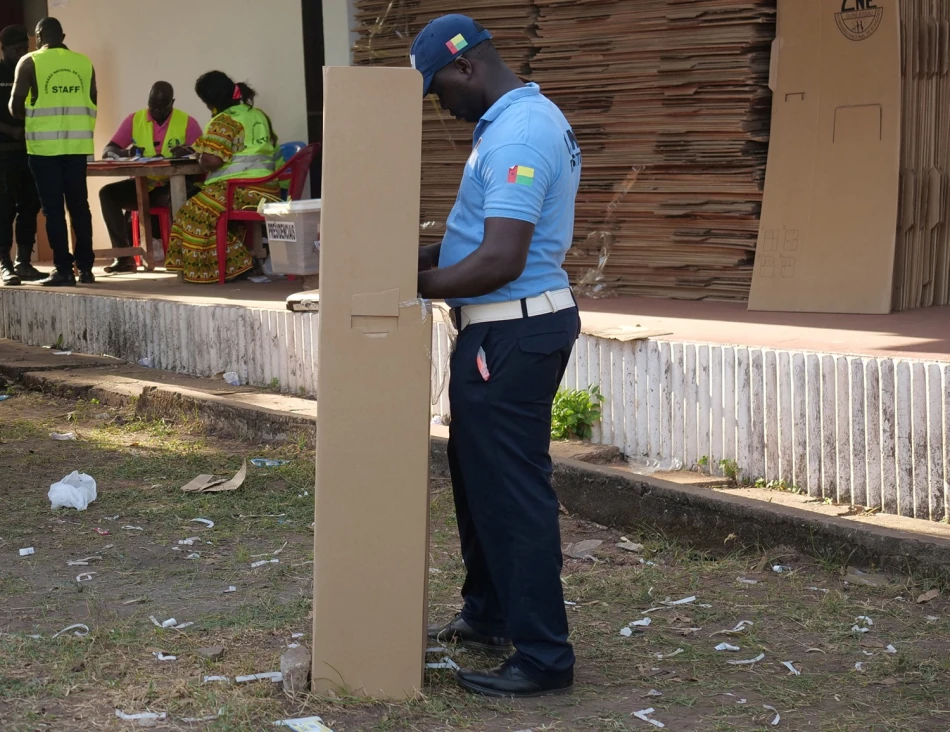
The timing highlights Guinea-Bissau's chronic political instability. Sunday's presidential and parliamentary elections were meant to provide a democratic transition, but both Embaló and opposition challenger Fernando Dias da Costa declared victory Tuesday before official results were scheduled for release Thursday.
This marks the latest chapter in Guinea-Bissau's troubled political history. The West African nation has experienced four successful coups and numerous failed attempts since gaining independence, including one attempt just last month. The pattern reflects deeper structural problems that have prevented stable democratic governance.
For international observers and West African regional bodies, this coup represents another setback for democratic progress in a region already grappling with military takeovers in Mali, Burkina Faso, and Niger. The suspension of elections particularly concerns international partners who had hoped Guinea-Bissau might break its cycle of political instability.