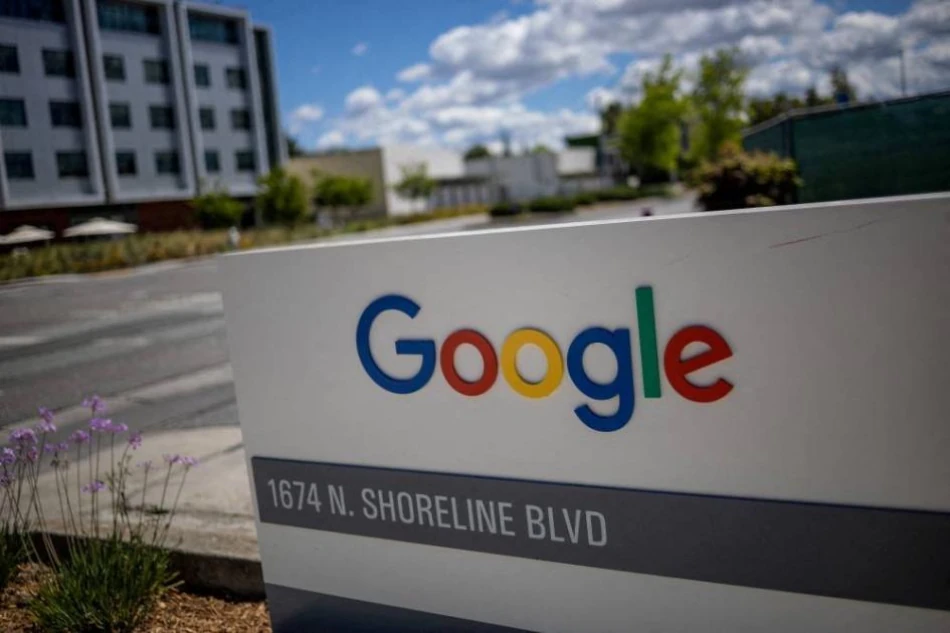
Google Launches 'Gemini AI 3', Igniting Competition with OpenAI
 Omar Rahman
Google launched Gemini 3, its latest AI model, as tech giants race to outpace each other in artificial intelligence development. The new model promises to give users what they actually need rather than polite, generic responses - a direct shot at current AI systems critics say are "too accommodating."
Sundar Pichai, CEO of Google's parent company Alphabet, said Gemini 3 was built to provide "better answers to more complex questions, so users get what they need with less prompting." The model can better understand context and intent behind questions, which should improve output quality and reduce the need for detailed instructions.
The timing is strategic. Google's announcement comes about eight months after releasing Gemini 2.5 and nearly a year since Gemini 2.0 hit the market. OpenAI, meanwhile, launched ChatGPT-5 last August, keeping the competitive pressure high.
Gemini 3 will roll into Google's main app and AI search products like AI Mode and AI Overviews, plus Google's business-focused tools. The company is starting with a limited user group before expanding over the coming weeks.
Here's where it gets interesting: the new model can create interactive interfaces that look like digital magazines. It automatically combines images, tables, and charts based on what you're asking about. It can even build tools like interactive loan calculators or simulate complex physics problems.
The user numbers tell the story of this AI arms race. Google says its Gemini app reached 650 million monthly active users, while its AI Overviews service crossed 2 billion monthly users. OpenAI countered by announcing 700 million weekly users for its chatbot.
Demis Hassabis, CEO of Google's AI unit DeepMind, said Gemini 3 responses will replace "clichéd ideas and flattery with genuine insight." The model will tell you what you actually need to know, not just what you want to hear. This addresses widespread criticism that current AI models are overly polite and unhelpful.
OpenAI isn't standing still. The company released two updates to ChatGPT-5 - one that's warmer and smarter at following instructions, another that's faster with simple tasks and more coherent with complex ones.
Google also unveiled a new developer platform called Google Antigravity, designed to let programmers work at a higher level with better focus on their core tasks.
The financial stakes are massive. Alphabet, along with Meta, Microsoft, and Amazon, continues pouring money into advanced AI infrastructure. These companies expect their combined AI-related capital spending to exceed $380 billion this year alone.
But here's the thing - this isn't just about bragging rights or user counts. These companies are betting that whoever builds the most capable AI will control how people access and process information in the future. That's why they're willing to spend hundreds of billions to get there first.