Gaza Faces Threat of Basic Services Collapse Due to Fuel Shortage
 Layla Al Mansoori
Gaza's municipal services are on the brink of total collapse as Israel restricts fuel deliveries, leaving cities unable to clear rubble, open roads, or help displaced residents during harsh winter weather. The fuel shortage has become so severe that supplies received over 50 days of ceasefire would only power essential services for five days.
The Gaza Municipalities Union warned that basic services could shut down completely due to Israel's limits on diesel fuel imports. Alaa al-Batta, mayor of Khan Younis, said the small amounts of fuel that do get through are controlled by the UN Office for Project Services (UNOPS), which can't meet even minimum municipal needs.
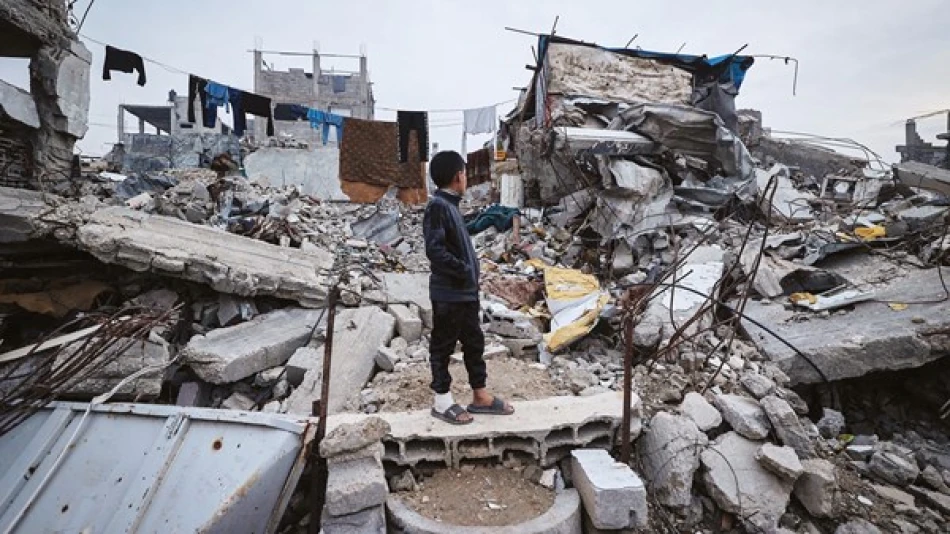
The situation has created a dangerous cycle. Cities need fuel to run equipment that clears debris and opens blocked streets. But without adequate fuel supplies, rescue teams can't reach displaced families, especially as winter storms hit the territory. The municipalities say 85% of their buildings, facilities, and equipment were damaged or destroyed during the conflict, making operations even harder.
Gaza needs hundreds of trucks daily carrying food, medical supplies, and drinking water, according to Palestinian Red Crescent spokesman Raed al-Nems. What actually arrives covers only a small portion of those needs. The gap between what's needed and what gets through is making life worse for residents already facing severe shortages of food, medicine, and healthcare supplies.
The healthcare system is running on empty. Medical facilities can't handle the growing number of patients, and many sick people aren't getting proper treatment because resources are so limited and many health facilities have been destroyed.
Winter is making everything harder for displaced families. They need warm clothes, blankets, heating materials, and proper shelter. But the restricted flow of aid means these basic winter supplies aren't reaching people who need them most.
The Palestinian Red Crescent continues working to reduce suffering in Gaza, but al-Nems said the scale of need is beyond what any single organization can handle. The group is calling for urgent and regular increases in humanitarian aid to save civilian lives and meet basic needs.
Municipal leaders are demanding immediate fuel deliveries through normal procedures to keep essential services running. They're also asking Arab countries to step in quickly with fuel supplies to prevent the complete breakdown of municipal services during what they describe as an unprecedented humanitarian disaster.