EU Freezes Russian Sovereign Assets Indefinitely, Tightening Economic Pressure
 Sara Khaled
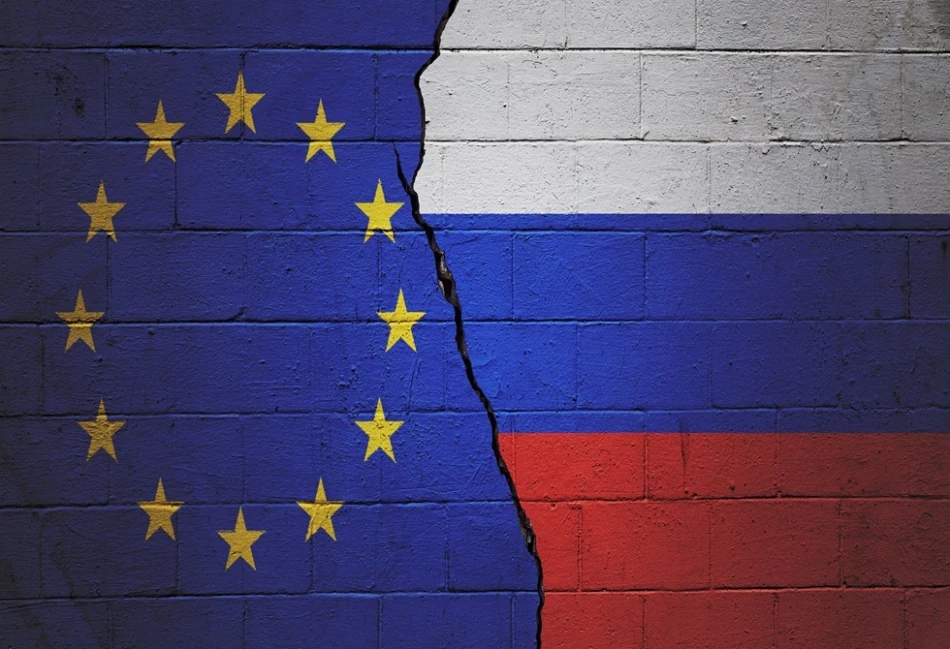
The European Union has agreed to freeze Russian sovereign assets indefinitely, clearing the final hurdle for a massive €210 billion "compensation" loan to Ukraine. The decision comes just one day after Belgium's prime minister questioned the legal foundation of the plan, highlighting the complex financial and legal stakes involved.
Belgian Prime Minister Bart De Wever had raised concerns about the European Commission's proposal to permanently freeze Moscow's funds using Article 122, an emergency clause in EU treaties. His skepticism wasn't without reason. Belgium could face enormous financial liability if the asset freeze gets reversed later.
Here's where it gets complicated: most of these frozen Russian assets sit in Euroclear, a major financial clearing company based in Brussels. If EU sanctions against Russia were ever lifted, Belgium might find itself on the hook for hundreds of billions of euros in payments back to Moscow. That's a significant risk for any country to take on.
The €210 billion loan represents one of the largest financial commitments to Ukraine since Russia's invasion began. But the mechanism behind it relies heavily on keeping Russian assets frozen permanently. Article 122 gives the EU emergency powers to take such steps, though using it for permanent asset seizure pushes the legal boundaries of what these emergency provisions were originally designed for.
For financial markets, this creates an interesting precedent. Using sovereign assets as collateral for loans to third parties could reshape how international sanctions work in the future. It also shows how financial clearing houses like Euroclear can become central players in geopolitical conflicts, even when they're just holding assets as neutral intermediaries.
The timing matters too. With ongoing pressure to support Ukraine financially, EU leaders needed to find creative ways to generate funds without directly tapping member state budgets. Using frozen Russian assets as backing for Ukrainian loans solves that problem, at least on paper.
But the legal questions Belgium raised haven't disappeared. If this approach works, it could become a template for future conflicts. If it backfires legally, countries like Belgium could face massive unexpected costs down the road.