Emirates Leads Global Digital Trade Readiness, Says Standard Chartered
 Layla Al Mansoori
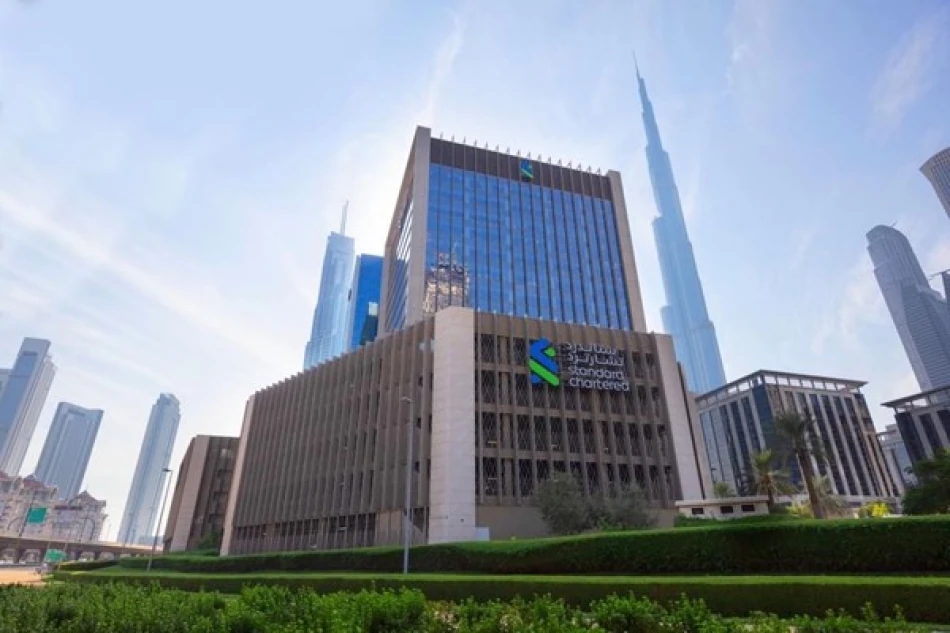
The UAE has claimed the top global spot for digital trade readiness, according to a new Standard Chartered report. The country's advanced digital infrastructure, clear regulations, and rapid technology adoption by businesses have positioned it as a major player in reshaping international commerce.
Standard Chartered's "Future of Trade: Digitization" report surveyed over 1,200 multinational companies across 17 key markets worldwide. The findings show the UAE leading in several critical areas that define modern digital trade capabilities.
Cloud computing emerged as the biggest driver of digital transformation for UAE companies. An impressive 97% of firms say it's essential to their business models - the highest rate among all markets surveyed. This widespread adoption gives UAE businesses a significant edge in processing and managing international trade transactions.
The country also stands out in digital assets adoption, with 68% of companies using these technologies. This positions the UAE as a leading hub for digital settlements and blockchain-based solutions - areas that are becoming increasingly important as global trade moves away from traditional payment systems.
UAE companies are embracing cutting-edge technologies at remarkable rates. Some 43% have adopted augmented and virtual reality technologies, while 36% use artificial intelligence. These tools are transforming how businesses handle operations, manage supply chains, and interact with customers.
The numbers reveal something important about the UAE's business environment. Unlike many other markets, 73% of UAE companies manage their digital transformation programs internally rather than relying heavily on external service providers. This suggests a mature business ecosystem with strong in-house capabilities.
Nearly all UAE companies - 96% - support expanding digital economy agreements to harmonize digital standards and regulate cross-border trade more effectively. This overwhelming backing indicates businesses see clear value in standardized digital trade frameworks.
Syed Khurram Zaeem, Standard Chartered's regional head for trade and transaction banking in the Middle East, Pakistan and Africa, noted that government policies, infrastructure quality, and institutional capabilities enable UAE companies to adopt modern technologies quickly and at scale.
The report's findings come as global trade increasingly relies on digital solutions. Supply chain disruptions in recent years have pushed companies to seek more efficient, technology-driven alternatives to traditional trade processes.
For investors and businesses looking at the Middle East region, the UAE's digital trade leadership creates opportunities in fintech, logistics technology, and digital payment systems. The country's position as a bridge between East and West makes it particularly valuable for companies seeking to digitize their international operations.
The UAE's success reflects years of strategic investment in digital infrastructure and business-friendly regulations. As more countries compete for digital trade leadership, the UAE's early moves and comprehensive approach have given it a substantial head start in capturing the economic benefits of digitized global commerce.