Dubai Embraces Zero Waste by 2027: Transforming Waste into Renewable Energy
 Sara Khaled
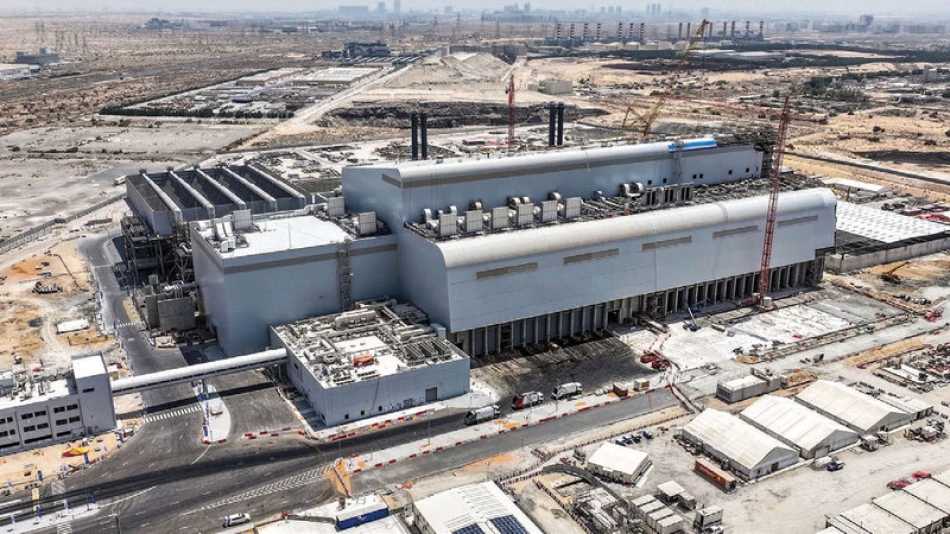
Dubai Municipality announced plans to close all waste landfills in the emirate by the end of 2027, marking a major shift toward a circular waste management system. The city has already shut down five landfills completely and is processing half of its daily waste through the world's largest waste-to-energy facility, which generates enough electricity to power 350,000 homes daily.
The Dubai Waste Treatment and Energy Recovery Center, launched last year, handles 6,000 tons of municipal solid waste daily - about 50% of Dubai's total 13,000 tons generated each day. The facility produces 200 megawatts per hour of electricity using steam technology from recycled water treatment, supplying power back to the city grid through an agreement with Dubai Electricity and Water Authority.
Engineer Adel Al Marzouqi, Executive Director of the Waste and Sanitation Institution at Dubai Municipality, said the emirate has turned a global challenge into an opportunity. "Dubai has created the world's largest waste-to-energy center of its kind, with a capacity of 6,000 tons daily," he explained.
The facility represents more than just waste disposal. It creates a complete circular system where waste leaves homes and returns as electricity. The center also converts bottom ash from the burning process into useful materials for road construction, working with Dubai Ports World and the Roads and Transport Authority to use this ash as road base material for temporary roads.
Dubai has already closed five major landfills, including Warsan, Jebel Ali, and Hatta dumps. Two remaining landfills - Al Qusais and Biadah - will close as additional waste-to-energy centers come online and recycling operations expand.
The bottom ash program shows how Dubai maximizes every part of the waste stream. Studies are underway to use the ash for manufacturing products like interlocking pavers. This approach saves government entities millions of dirhams while reducing dependence on new raw materials.
For investors and governments watching sustainable infrastructure development, Dubai's model offers a blueprint for turning waste management costs into revenue streams. The facility not only eliminates landfill expenses but generates sellable electricity and construction materials from what was previously just buried waste.
The 2027 timeline puts Dubai ahead of many developed cities still relying heavily on landfills. This transition comes as global waste generation continues rising and cities worldwide face mounting pressure to find alternatives to traditional disposal methods.