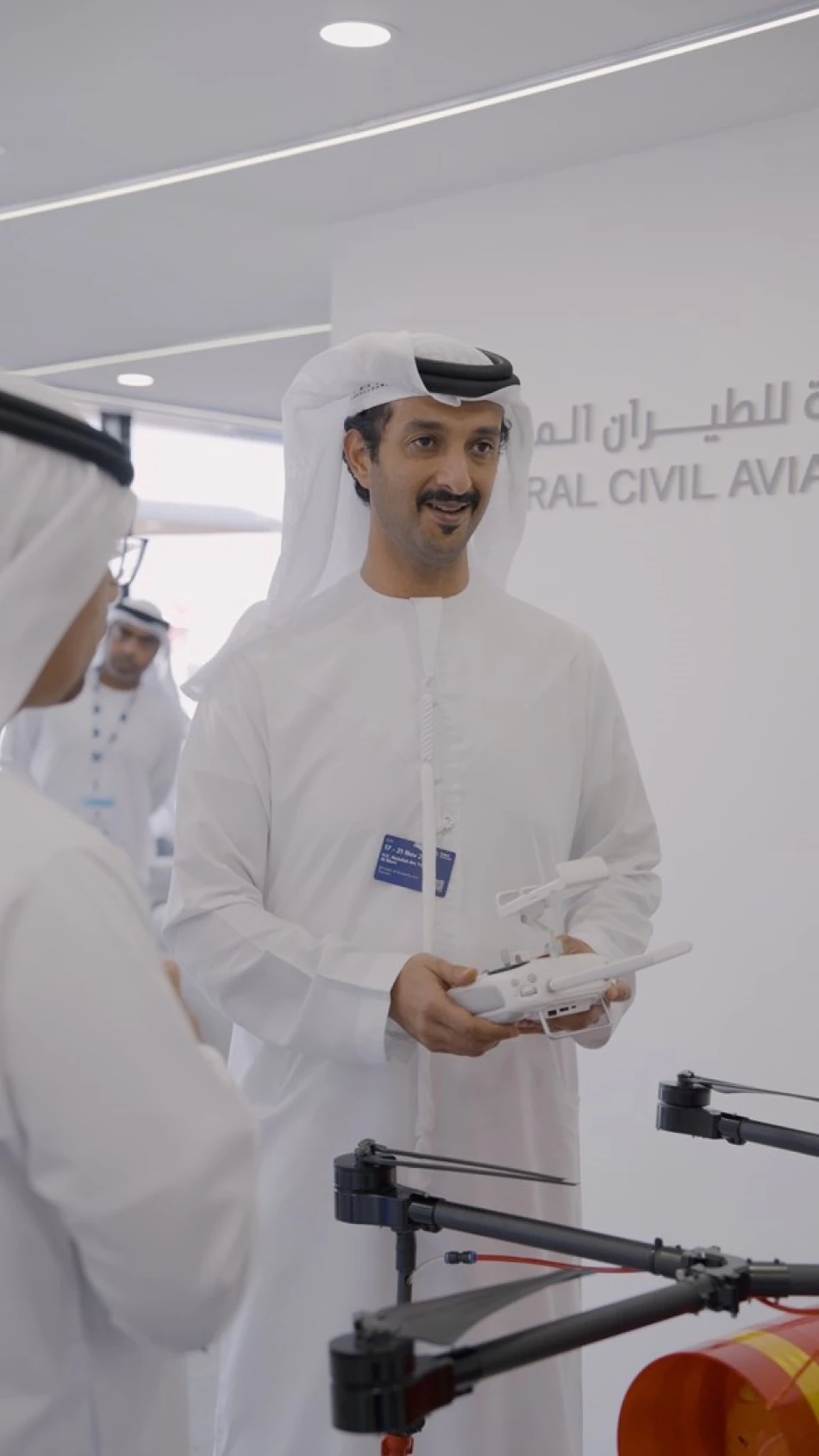
Dubai Aerospace Solidifies UAE's Status as Global Aviation Innovation Hub
 Layla Al Mansoori
The UAE's aviation sector now contributes 18% of the country's GDP, and officials are using the Dubai Airshow to position the nation as a global hub for next-generation aviation technologies. With over 1,500 exhibitors from 115 countries attending this year's show, the Emirates is focusing on electric aircraft, hybrid propulsion, and advanced air mobility systems.
Abdullah bin Touq Al Marri, Minister of Economy and Tourism, said the aviation sector represents one of the fundamental pillars for the UAE's future economic growth. The sector's contribution comes through direct and indirect channels including national airlines, airports, cargo facilities, and connected logistics and tourism services.
The timing matters. Global aviation is shifting toward sustainable technologies, and the UAE wants to capture a significant portion of that market. Al Marri pointed to investments in electric and hybrid aircraft as key growth areas, along with advanced air transport systems that could reshape how people and goods move through the region.
Saif Mohammed Al Suwaidi, Director General of the General Civil Aviation Authority, emphasized the show's role as a strategic platform for strengthening the UAE's presence in international aviation. The authority plans to sign new cooperation agreements and launch joint initiatives with international partners during the event.
Here's what makes this significant: The UAE is betting heavily on becoming a pioneer in green aviation technologies. Al Suwaidi confirmed the country continues to play a central role in international organizations, particularly the International Civil Aviation Organization (ICAO), supporting global initiatives to develop green aviation and reduce emissions.
The aviation authority has packed its agenda with bilateral meetings with international delegations and global companies to discuss partnership opportunities. Officials will participate in specialized dialogue sessions focusing on the future of advanced air transport, aviation safety, operational efficiency, and sustainability technologies.
The authority is also showcasing projects related to training and human resource development, along with digital transformation initiatives using advanced technologies. They're highlighting specialized programs in aviation accident investigation and capabilities that could strengthen the country's aviation ecosystem.
For investors and industry watchers, this represents the UAE's broader strategy to diversify its economy beyond oil. Aviation already provides substantial economic value, but the focus on emerging technologies like electric aircraft and advanced air mobility suggests the Emirates sees even bigger opportunities ahead in the global transition to sustainable aviation.