Central Bank Board Approves Financial and Insurance Regulations to Boost UAE's Financial Sector Competitiveness
 Layla Al Mansoori
The UAE Central Bank board met at Qasr Al Watan in Abu Dhabi to review the bank's achievements in 2025 and approve its 2026 budget, while discussing major digital payment initiatives that could reshape cross-border transactions in the region.
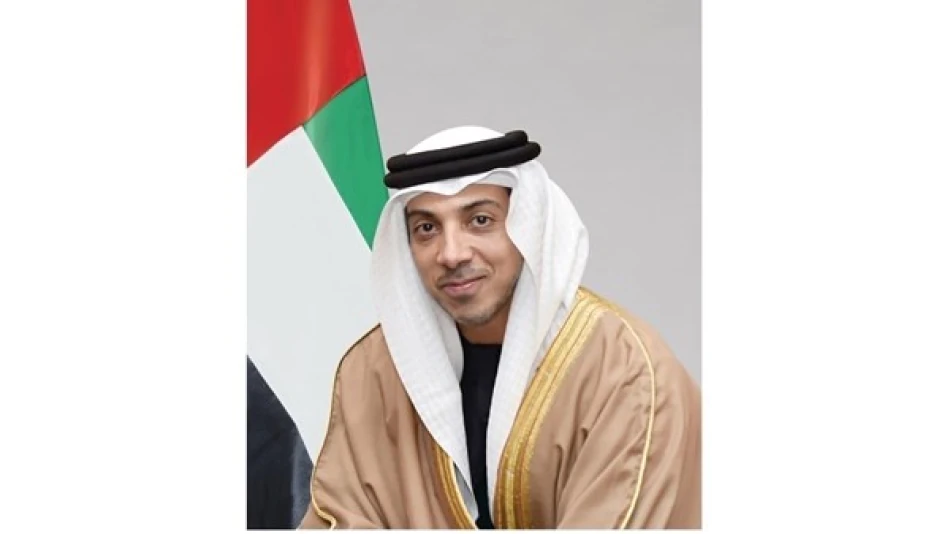
Sheikh Mansour bin Zayed Al Nahyan, UAE Deputy President and Chairman of the Central Bank's board, led the meeting. He praised the bank's work in 2025, saying it helped strengthen the UAE's position as a global financial center.
The board reviewed several major projects that are changing how banking works in the UAE. These include an international securities depository system and a real-time settlement system that processes payments instantly.
Here's where it gets interesting for the broader economy: The Central Bank is expanding its "mBridge" platform for digital currencies. This system connects central banks from different countries and links with the UAE's instant payment system and local payment card network called "Jaywan."
The goal is simple but significant - make cross-border payments cheaper and faster. Right now, sending money between countries often takes days and costs a lot in fees. The UAE wants to change that by getting more central banks to join their payment systems in 2026.
The board also looked at job creation numbers. The UAE's banking sector employment program hit 95% of its targets by hiring 9,754 Emirati citizens between 2023 and 2026. This shows the government's push to get more locals working in finance is actually working.
On the regulatory front, the board approved three new systems: insurance company licensing, insurance agents oversight, and telemarketing rules. The telemarketing regulations follow a 2024 government decision to crack down on unwanted sales calls.
But the real story here is about payments. The UAE is building infrastructure that could make it a hub for international money transfers. If more countries join their digital payment network, businesses and individuals could send money across borders almost instantly and much cheaper than today.
This matters for traders and businesses operating in the Middle East. Faster, cheaper payments mean better cash flow and lower costs. For governments, it means more control over their payment systems and less dependence on traditional banking networks.
The Central Bank is also working on what it calls "financial infrastructure transformation" - basically rebuilding how money moves through the UAE's economy using digital technology.