Canada and Europe Reaffirm Unwavering Commitment to Two-State Solution for Lasting, Just Peace
 Sara Khaled
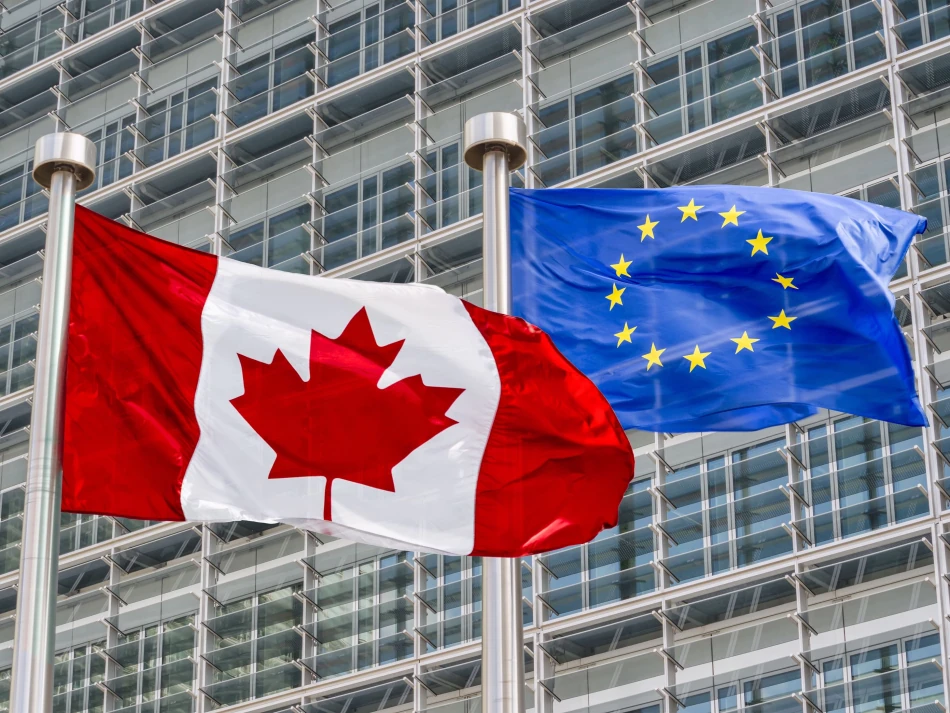
The European Union and Canada have reaffirmed their commitment to a two-state solution for the Israeli-Palestinian conflict, welcoming the first phase of President Trump's Gaza ceasefire plan while calling for an end to settlement expansion and violence in the West Bank. The joint statement comes as international pressure mounts to implement the full peace agreement and restore humanitarian aid access to Gaza.
Following their fourth joint ministerial committee meeting in Brussels, both sides emphasized their support for a comprehensive, just, and lasting peace based on relevant UN Security Council resolutions. Under this framework, two democratic states—Israel and Palestine—would coexist peacefully within secure and recognized borders.
The statement specifically addresses escalating tensions in the West Bank, including East Jerusalem. Both the EU and Canada called for an immediate halt to settler violence, including attacks against Christian communities, the expansion of settlements deemed illegal under international law, Israeli military operations, and terrorist attacks against Israel.
The timing reflects growing international concern about West Bank violence potentially derailing the Gaza ceasefire. Recent months have seen increased settler attacks on Palestinian communities and Christian sites, drawing criticism from Western allies who view such actions as undermining broader peace efforts.
Both parties welcomed the agreement reached on Trump's comprehensive plan to end the Gaza conflict, as well as outcomes from the Sharm el-Sheikh Peace Summit. They urged all parties to fully commit to implementing every phase of the agreement and avoid any actions that could undermine the deal.
The restoration of humanitarian aid access emerged as a critical priority. The EU and Canada stressed that agreements to resume aid delivery must be implemented completely, addressing the severe humanitarian crisis that has developed in Gaza during months of conflict.
For international observers, this joint statement signals continued Western diplomatic coordination on Middle East policy, even as the Trump administration takes the lead on peace negotiations. The emphasis on both Gaza reconstruction and West Bank stability suggests recognition that lasting peace requires addressing violence and settlement activity across all Palestinian territories.