Airbus Forecasts Massive Middle East Demand: 4,080 New Passenger Jets Needed Over Next 20 Years
 Layla Al Mansoori
Airbus expects the Middle East's aircraft fleet to more than double over the next two decades, jumping from around 1,480 planes in 2024 to nearly 3,700 by 2044. The aviation giant's latest market forecast shows the region will need 4,080 new passenger aircraft during this period, with wide-body planes making up an unusually large share of demand.
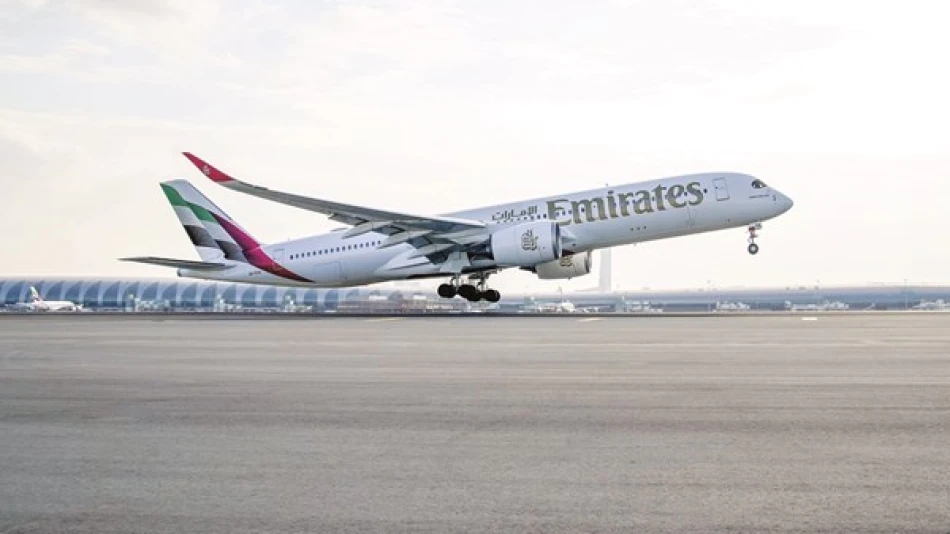
The Middle East stands out from other regions in its appetite for large, long-haul aircraft. Wide-body planes will represent 42% of total demand in the region - more than double the global average of 20%. This reflects the Middle East's role as a major international transit hub, with airlines like Emirates, Qatar Airways, and Etihad connecting passengers between continents.
The numbers break down to 2,380 single-aisle aircraft and 1,700 wide-body planes over the next 20 years. Single-aisle aircraft typically handle shorter regional routes, while wide-body planes serve long-haul international flights that are crucial to Middle Eastern carriers' business models.
Several factors are driving this growth. Airbus projects passenger traffic in the region will grow 4.4% annually, fueled by economic expansion, tourism recovery, and increased trade. The region's population is expected to grow by 240 million people during the same period, creating more demand for air travel.
Gabriel Semillas, Airbus's head for Middle East and Africa, said the region's aviation sector is going through major changes that are reshaping global aviation. He expects the regional fleet to expand significantly, especially in wide-body aircraft categories.
This expansion creates massive staffing needs. Airbus estimates the Middle East aviation sector will require more than 265,000 new employees over the next 20 years. That includes 69,000 pilots, 64,000 maintenance technicians, and 132,000 cabin crew members.
The commercial aviation services market in the region is projected to reach $30 billion during this period. Growth will focus on fleet readiness, training and certification, flight operations, air traffic management, cabin refurbishments, and improved connectivity services.
For aircraft manufacturers like Airbus and Boeing, the Middle East represents one of the most important growth markets. The region's airlines have historically placed large orders and often serve as launch customers for new aircraft models. But this growth also puts pressure on aviation training programs and maintenance facilities to keep up with demand for skilled workers.