Abu Dhabi Finance Week Spotlights FinTech, Legal Affairs, and Dispute Resolution
 Layla Al Mansoori
Abu Dhabi hosted its biggest fintech conference yet on day three of Abu Dhabi Financial Week 2025, bringing together global leaders in finance, technology, and legal affairs. The event highlighted Abu Dhabi's growing role as a financial hub and showcased how AI and digital assets are reshaping the industry, while several major companies announced plans to set up offices in the emirate.
The third day featured two major conferences running side by side. Abu Dhabi FinTech, now the largest financial technology gathering in the Middle East and North Africa, focused on the big changes hitting financial services. Meanwhile, the Resolve forum tackled international dispute resolution and how legal systems adapt to digital transformation.
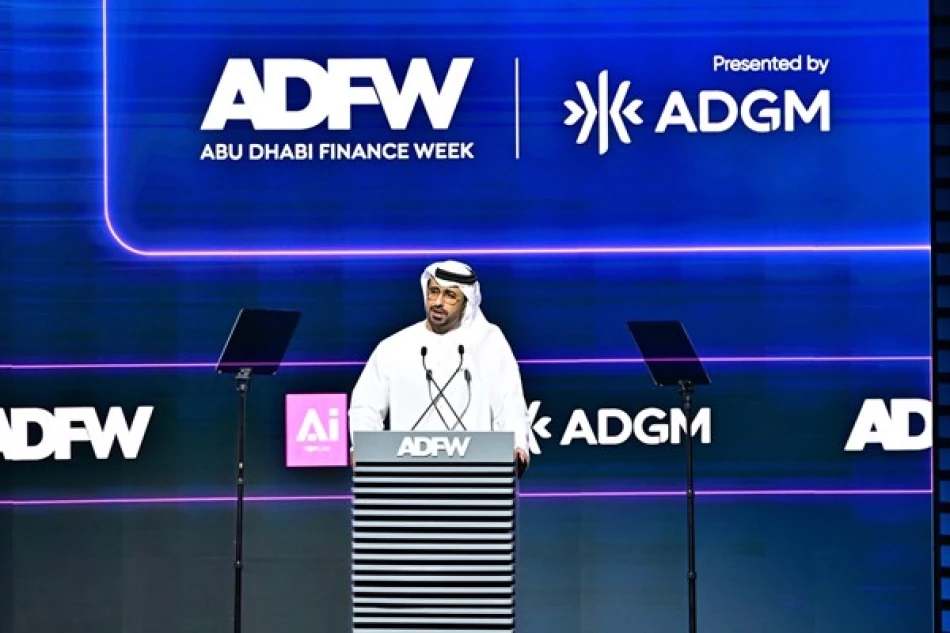
Hamad Sayah Al Mazrouei, undersecretary of Abu Dhabi's Department of Economic Development, opened the day with a clear message. "The future of finance won't be built by algorithms alone, but by leaders with clear vision and strong will," he said. "Through platforms like Abu Dhabi FinTech, we're not just watching future trends - we're helping shape them."
The discussions covered everything from tokenization and artificial intelligence to digital banking and stablecoins. CEOs from major fintech companies like Revolut, Capital.com, Ebury Group, and Luca shared insights on what founders need most: speed, regulatory clarity, and trust-building as they expand in markets that demand flexibility.
One standout session with Richard Teng examined cryptocurrency market volatility, focusing on whether crypto assets can develop into reliable infrastructure. This matters because institutional adoption depends on stability and clear regulations - something Abu Dhabi is working to provide.
The legal side got equal attention at the Resolve forum, themed "Courage." UAE Minister of Justice Abdullah Sultan bin Awwad Al Nuaimi delivered a keynote on "Justice with Courage," emphasizing Abu Dhabi's leadership in setting advanced legal standards. The forum brought together international law experts, regulators, and business leaders to discuss cross-border digital asset regulation and AI-powered legal strategies.
Here's where it gets interesting for investors and companies. Galaxy Digital, the Nasdaq-listed digital assets leader, announced it's opening an office in Abu Dhabi Global Market (ADGM). This expands their presence across three continents and signals confidence in the region's regulatory environment. The Eurasian Development Bank also revealed plans for an Abu Dhabi office, preparing to launch an investment platform that gives Gulf investors access to Central Asian projects.
The announcements kept coming. SAAS Properties unveiled The Ritz-Carlton Residences on Al Maryah Island, a luxury residential project that adds to Abu Dhabi's high-end real estate portfolio. But the real action was in partnerships - 24 memorandums of understanding were signed, including deals with BlackRock, Finstreet, Swiss Re, and Crypto.com.
These partnerships matter because they show how Abu Dhabi is positioning itself as a bridge between traditional finance and digital innovation. When global giants like BlackRock set up partnerships here, it validates the emirate's regulatory framework and market potential.
The event also featured specialized forums on AI's impact on financial systems, risk management, and digital assets. Bloomberg held sessions on moving AI from potential to practical applications - a key concern for financial institutions trying to implement these technologies safely.
For the broader market, this week demonstrates how regional financial centers are competing for fintech talent and investment. Abu Dhabi's approach combines regulatory clarity with innovation support, attracting companies that need both stability and growth opportunities. The mix of traditional banks, crypto companies, and AI firms at the event shows how financial services boundaries are blurring.
The focus on legal frameworks isn't just academic - it's essential for institutional money. Major investors need clear rules before they commit capital to new technologies or markets. Abu Dhabi's emphasis on building robust legal infrastructure alongside financial innovation could give it an edge over competitors.