46th GCC Summit Kicks Off: Uniting Gulf Nations for Prosperity and Stability
 Sara Khaled
Gulf leaders gathered in Bahrain today for the 46th Gulf Cooperation Council summit, where they'll tackle economic integration, security cooperation, and regional challenges. The meeting comes at a critical time as Gulf states work to strengthen ties amid shifting Middle East dynamics.
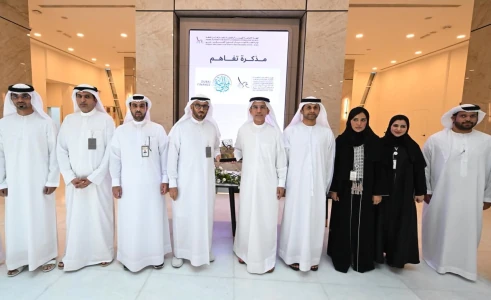
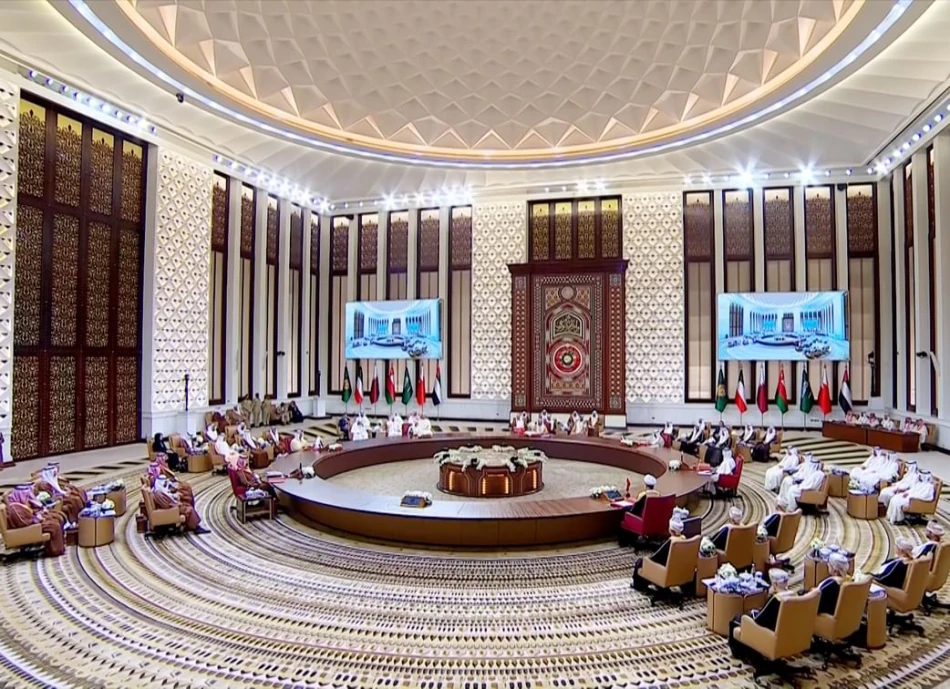
The summit kicked off at Al-Sakhir Palace in Bahrain, bringing together heads of state and delegation leaders from all six GCC member countries. Sheikh Mansour bin Zayed Al Nahyan, UAE's Deputy President and Deputy Prime Minister, is leading his country's delegation on behalf of President Sheikh Mohamed bin Zayed Al Nahyan.
Economic integration sits at the top of the agenda. Gulf states have been pushing for deeper financial ties, including unified customs procedures and expanded trade agreements. This matters because the region controls about 40% of global oil reserves, and closer economic cooperation could help these countries reduce their dependence on energy exports.
Security cooperation is equally important. The GCC has faced mounting regional pressures, from tensions with Iran to conflicts in Yemen and Syria. Leaders will discuss how to coordinate their defense strategies and intelligence sharing more effectively.
But the summit goes beyond Gulf-specific issues. Leaders will address broader Arab, regional, and international concerns that affect all member states. This includes ongoing conflicts in the Middle East and how Gulf states can play a bigger role in regional stability.
The GCC has evolved significantly since its founding in 1981. What started as a loose alliance has become a more integrated bloc, though progress has been uneven. Recent years have seen renewed focus on unity, especially after resolving the Qatar diplomatic crisis in 2021.
For investors and markets, these summits often signal policy directions that can affect everything from oil production to infrastructure spending. Gulf sovereign wealth funds control trillions in assets, so coordination between these countries can move global markets.
The timing is significant. With global energy markets still volatile and geopolitical tensions high, Gulf states are positioning themselves as stable partners for international trade and investment. Their decisions here could shape regional dynamics for years to come.