Zelensky Forms Delegation to Negotiate Ukraine-Russia Peace with US Mediation
 Sara Khaled
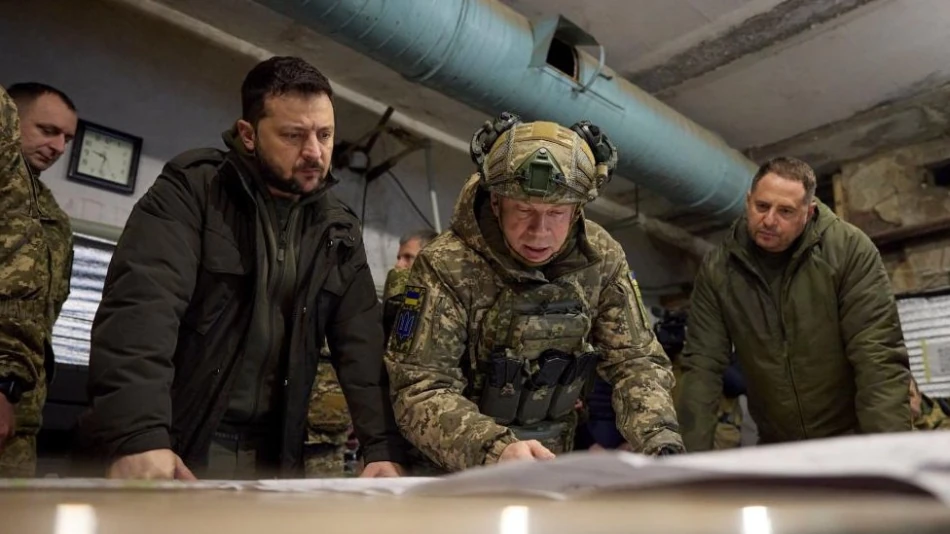
Ukrainian President Volodymyr Zelensky has approved the formation of a high-level delegation to negotiate with the United States and Russia about ending the war. The delegation will be led by his chief of staff and include top security officials, marking a significant diplomatic move as the conflict approaches its third year.
In a statement released Saturday through his office's Telegram channel, Zelensky emphasized that "Ukraine will never be an obstacle to peace." The announcement signals Ukraine's readiness to engage in formal talks while maintaining its position on defending national interests.
The delegation will consult with Ukraine's international partners in the coming days about concrete steps to end Russia's war against Ukraine. This coordination with allies suggests Ukraine won't enter negotiations alone but will maintain the support structure that has sustained it throughout the conflict.
The statement also clarified that Ukrainian representatives will defend "the legitimate interests of the Ukrainian people and the foundations of European security." This language indicates Ukraine plans to tie any peace agreement to broader European stability concerns, not just bilateral issues with Russia.
The timing appears significant. With Donald Trump returning to the White House and promising to end the war quickly, Ukraine may be positioning itself for potential shifts in U.S. policy. Trump has previously criticized the level of American aid to Ukraine and suggested he could broker a deal with Putin.
For investors and markets, this development could signal reduced uncertainty around the conflict's duration. Energy markets, defense stocks, and European equities have all been affected by the war's trajectory. Any credible peace process could reshape these sectors significantly.
But the challenge remains substantial. Russia continues to demand Ukraine cede territory and abandon NATO aspirations, while Ukraine insists on territorial integrity and security guarantees. The involvement of both the U.S. and Russia in these talks suggests recognition that any lasting agreement needs both powers' backing.