Xiaomi Challenges Samsung with Innovative Smartphones and Smart Home Devices
 Omar Rahman
Xiaomi just launched its 15T smartphone series globally, pricing its flagship phones at €649 and €799 to directly challenge Samsung's market dominance. The Beijing-based company is expanding beyond phones into home appliances, positioning itself as a comprehensive tech competitor that could shake up multiple industries with its aggressive pricing strategy.
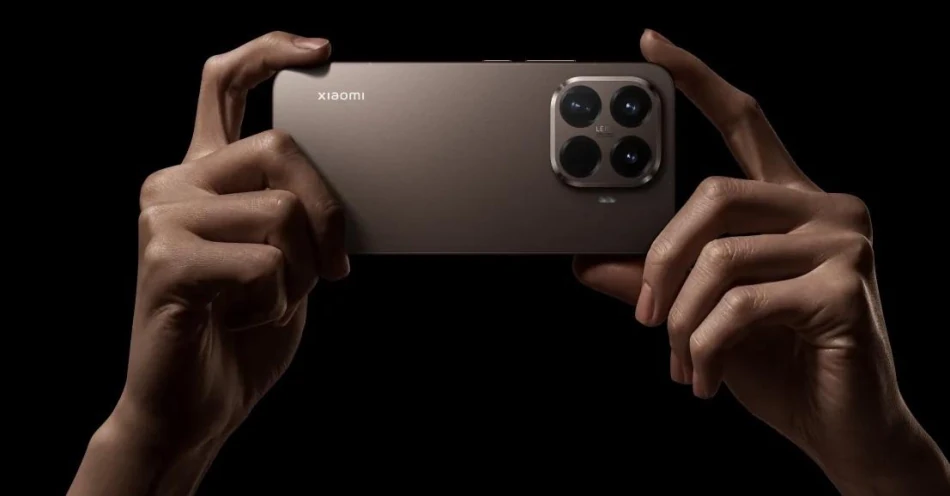
Xiaomi unveiled two new smartphones - the 15T and 15T Pro - at a launch event in Munich. These devices pack premium features like triple camera systems, large 6.83-inch displays, and powerful batteries, but cost significantly less than comparable Samsung models.
The pricing tells the story. Samsung's S25 starts at €799 in Germany, while its premium S25 Ultra begins at €1,249. Xiaomi's most expensive 15T Pro sits at €799 - putting flagship-level specs within reach of mid-range budgets.
"The 15T is a premium phone at an affordable price with advanced features, but priced about half a notch below the ultra-premium flagship devices," said Brian Ma, vice president of device research at International Data Corporation.
This pricing approach has already paid off in Europe, where Xiaomi holds the third-largest smartphone market share behind Samsung and Apple. The company built this position by offering both high-end and mid-range devices that directly compete with the two tech giants.
But Xiaomi isn't stopping at phones. The company announced the global launch of its Mijia home appliance brand, which includes refrigerators, washing machines, and air conditioners. This puts Xiaomi on a collision course with Samsung, which sells everything from home appliances to smartphones and TVs worldwide.
The move makes business sense for Xiaomi, which has spent recent years expanding both geographically and into new product categories - from washing machines to electric vehicles. The company's operational model centers on delivering high-quality products at competitive prices across multiple sectors.
"It's natural for Xiaomi to put pressure on any competitor in the sectors it enters, given its operating model based on competitively priced, high-quality products," Ma explained.
Ronar Bjørhovde, an analyst at Canalys, sees the 15T launch as part of Xiaomi's broader strategy to move upmarket while maintaining its value proposition. "The Xiaomi 15T represents another important step for Xiaomi in its product upgrade strategy, especially its quest to attract budget-conscious buyers interested in high specifications who still prefer high-performance devices."
The timing is strategic. Xiaomi launched its most expensive phones, the Xiaomi 15 series, internationally earlier this year. In China, the company is preparing to reveal its 17 series, which will serve as its new flagship line.
For investors and market watchers, Xiaomi's expansion represents a significant shift in the global tech landscape. The company is no longer just a smartphone maker offering cheaper alternatives - it's becoming a comprehensive technology ecosystem that could capture market share across multiple high-value categories.
The real test will be whether Xiaomi can maintain its quality standards and competitive pricing as it scales across more product lines and geographic markets. Early signs suggest the strategy is working, but success in home appliances requires different expertise than smartphones.