US Officials Propose Deploying International Force in Gaza by Early 2026
 Sara Khaled
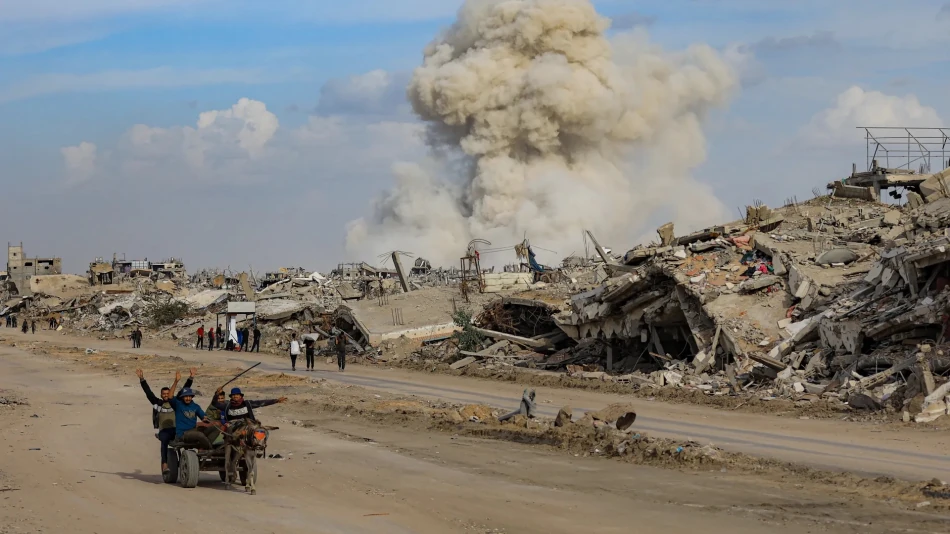
The US is working on deploying an international peacekeeping force to Gaza as early as next month, according to two American officials. The force would operate under UN authorization, but how to disarm Hamas remains an open question. This deployment represents a key part of Trump's second-phase peace plan for Gaza, following the fragile ceasefire that began after two years of war.
The international stabilization force won't be tasked with fighting Hamas directly. Instead, it's designed to help maintain order in Gaza once the immediate fighting stops. Several countries have already expressed interest in participating, though the officials didn't specify which ones.
Washington is still working out the details. They need to figure out how big the force should be, where troops will be housed and trained, and what rules of engagement they'll follow. The US is considering appointing an American general at the brigadier level to lead the operation, but no final decisions have been made yet.
This peacekeeping effort fits into the broader ceasefire framework that's currently holding in Gaza. The truce has allowed Hamas to release hostages while Israel has freed Palestinian prisoners. But the arrangement remains fragile after two years of intense fighting that began on October 10.
The big challenge is what happens to Hamas's weapons. The officials acknowledged this remains unclear, which could complicate the peacekeeping mission. International forces typically work best when there's a clear agreement between all parties, not when one side still has significant military capabilities.
White House spokesperson Caroline Leavitt said there's "a lot of quiet planning happening behind the scenes for this phase. We want to ensure lasting and stable peace." But turning that goal into reality will depend on resolving the disarmament question and getting broad international support for what could be a complex and risky mission.
The timing suggests the administration wants to move quickly while the current ceasefire holds. International peacekeeping forces often take months to organize and deploy, so starting planning now makes sense if they want boots on the ground by early next month.