UAE's Natural Reserves Double to 50 in 12 Years, Preserving Diverse Ecosystems
 Sara Khaled
The UAE has more than doubled its natural reserves over the past 12 years, growing from 23 protected areas in 2013 to 50 by the end of 2024. That's a 117% increase that shows how serious the country is about protecting its wildlife and ecosystems.
The numbers are pretty impressive. The total area covered by these reserves jumped by 177% during the same period. Now there are 34 land-based reserves covering about 13,100 square kilometers and 16 marine reserves spanning roughly 6,900 square kilometers. Combined, that's more than 20,000 square kilometers of protected territory.
Abu Dhabi leads the pack with 19 reserves that make up 91% of the UAE's total protected area. The emirate has 13 land reserves and 6 marine ones, including some standouts like the Marawah Marine Reserve - declared in 2001 and now the country's largest marine protected area at 4,200 square kilometers. On land, the Arabian Oryx Reserve takes the top spot at 5,900 square kilometers.
Sharjah comes second with 15 reserves, followed by Dubai with 8. Fujairah has 5 reserves, Ajman has 2, and Ras Al Khaimah has 1.
These aren't just lines on a map. The reserves serve real purposes - protecting wildlife, preventing habitat loss, and supporting eco-tourism. But here's what makes the UAE's approach interesting: they're trying to balance environmental protection with economic development, which isn't easy in a region known more for oil than conservation.
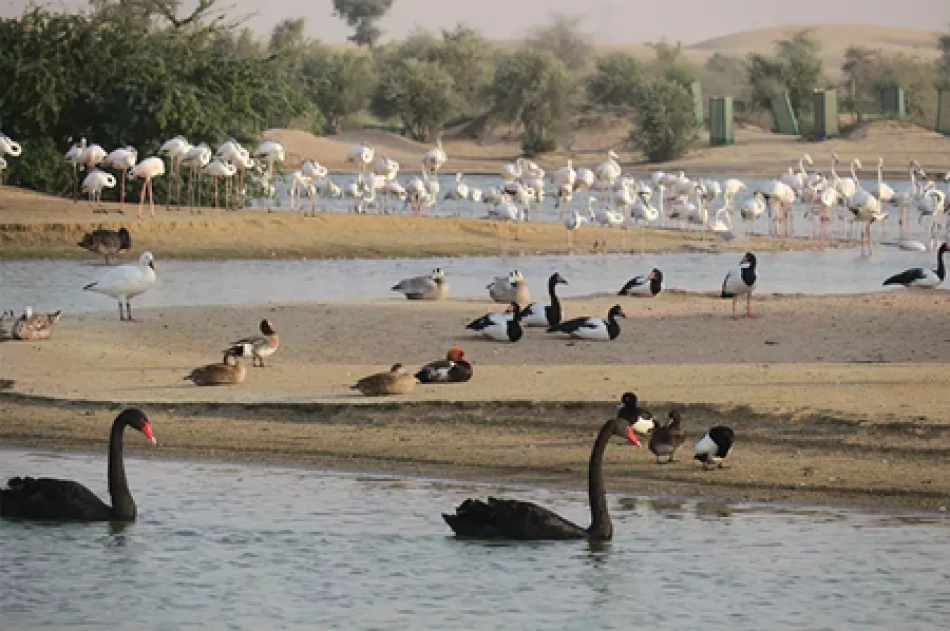
The country joined the international Ramsar Convention for wetland protection in 2007. Back then, it had just 6.2 square kilometers of protected wetlands. Today, that's grown to 10 wetland reserves covering 391.7 square kilometers. These areas are crucial stopover points for migrating water birds and help maintain the region's biodiversity.
Mangrove forests are another success story. The UAE now has 201.4 square kilometers of mangrove coverage, with Abu Dhabi accounting for 88% of that total at 176.8 square kilometers. These coastal forests are natural carbon sinks that help fight climate change by absorbing greenhouse gases.
For investors and governments watching global environmental trends, the UAE's approach offers a template for how oil-rich nations can diversify their environmental portfolio. The rapid expansion of protected areas also creates opportunities in eco-tourism and sustainable development sectors.
The challenge now is maintaining this momentum. Desert climates and limited water resources make conservation work harder here than in more temperate regions. But the numbers suggest the UAE is finding ways to work with its geography rather than against it.