UAE President Inaugurates Iconic Zayed National Museum Amid 54th Union Celebrations
 Layla Al Mansoori
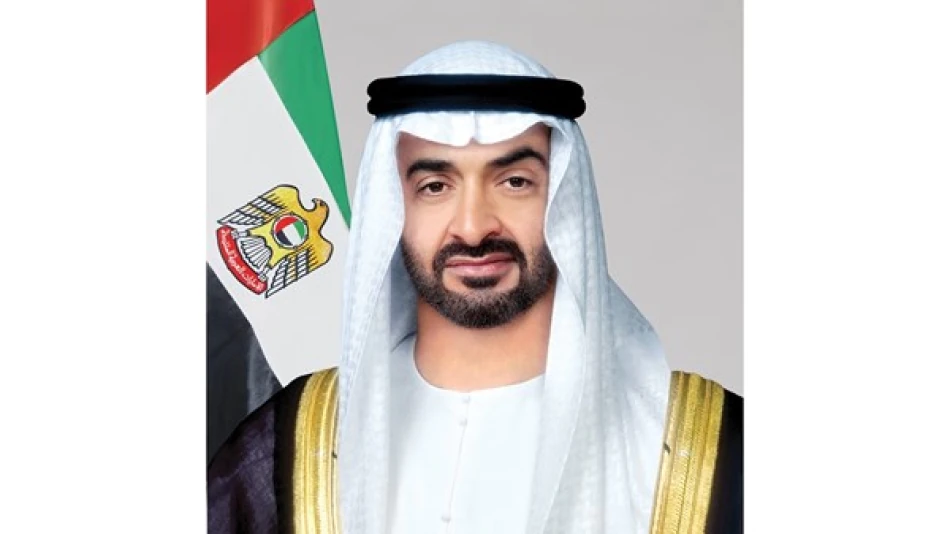
The UAE has opened its most ambitious cultural project yet - the Zayed National Museum on Saadiyat Island. President Sheikh Mohammed bin Zayed Al Nahyan officially inaugurated the museum during the country's 54th National Day celebrations, with all seven emirate rulers attending the ceremony. This marks a major milestone in the UAE's push to become a global cultural hub.
The museum tells the story of the UAE's founding father, Sheikh Zayed bin Sultan Al Nahyan, while tracing the nation's history from ancient times to today. The building itself is designed to look like a falcon's wing in flight - a nod to the country's deep connection to its natural environment and cultural heritage.
Sheikh Mohammed bin Zayed emphasized that the museum serves as more than just a historical archive. "This is a national monument that preserves the legacy of our founding father and connects our rich history with our present and future," he said. The project aims to document key moments in the UAE's development and showcase the achievements that shaped the nation's identity.
**What makes this museum different**
The Zayed National Museum houses over 3,000 artifacts, with 1,500 carefully selected pieces on display. But this isn't your typical static museum experience. Visitors can explore six permanent galleries that use interactive technology, audio-visual experiences, and multimedia installations alongside traditional artifacts and historical documents.
The museum includes rare audio recordings of Sheikh Zayed's voice, personal belongings, archival footage, and photographs that bring the founder's story to life. There's also a 600-meter outdoor exhibition path called the "Trail Garden" that walks visitors through the UAE's civilizational journey.
**Cultural and economic significance**
The opening comes as the UAE positions itself as a major player in the global cultural tourism market. Saadiyat Island already hosts the Louvre Abu Dhabi and is set to welcome the Guggenheim Abu Dhabi, creating what officials call a world-class cultural district.
For investors and tourism operators, this represents significant potential. Cultural tourism has been growing rapidly in the Gulf region, and the UAE is betting that world-class museums can attract millions of visitors annually. The timing also aligns with the country's broader economic diversification efforts away from oil dependency.
The museum's focus on Emirati identity and heritage serves another purpose - strengthening national cohesion in a country where expatriates make up about 90% of the population. By showcasing local traditions, maritime heritage, and desert life, the museum helps preserve cultural knowledge for future generations.
The opening ceremony featured live performances, interactive workshops, and guided tours designed to engage visitors of all ages. This approach reflects a broader trend in museum design toward experiential learning rather than passive observation.