UAE President and Hungarian PM Witness Signing of Landmark Agreements Strengthening Bilateral Ties
 Layla Al Mansoori
UAE and Hungary Forge Strategic Partnership in AI, Green Energy, and Data Centers
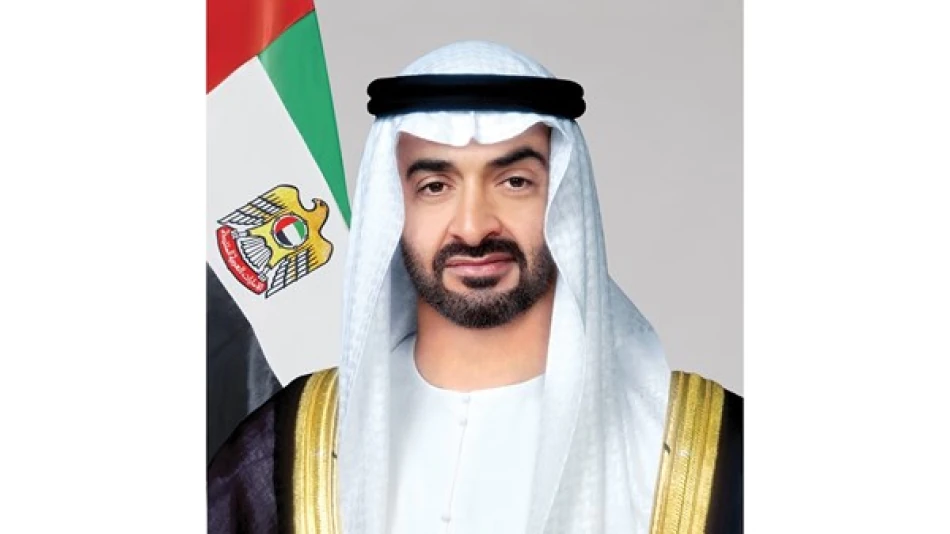
The UAE is deepening its European partnerships through a comprehensive agreement with Hungary that spans artificial intelligence, renewable energy, and data infrastructure. The deal, signed during President Sheikh Mohamed bin Zayed Al Nahyan's official visit to Budapest, signals the Emirates' strategy to diversify its technological alliances beyond traditional Western partners while positioning itself as a bridge between Europe and the Middle East.
A Multi-Sector Partnership Takes Shape
The agreements signed between UAE President Sheikh Mohamed bin Zayed and Hungarian Prime Minister Viktor Orban cover critical sectors including data centers, AI projects, green and renewable energy, food and agriculture, family and youth affairs, government development expertise exchange, and energy storage systems.
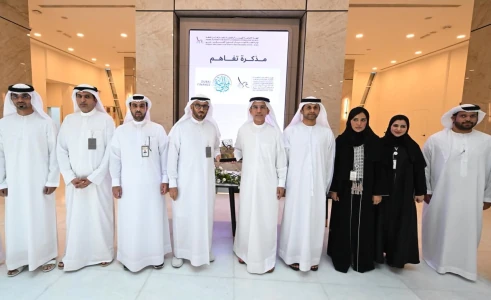
The ceremony at the Hungarian Prime Minister's office in Budapest saw senior UAE officials including Dr. Sultan Al Jaber, Minister of Industry and Advanced Technology, and Dr. Thani Al Zeyoudi, Minister of Foreign Trade, alongside their Hungarian counterparts formalizing the partnership.
Strategic Implications for Regional Tech Hubs
Data Centers and AI: Europe's New Gateway
The data center cooperation agreement positions Hungary as a potential European hub for UAE-backed digital infrastructure. This mirrors similar strategies the UAE has pursued in Singapore and India, where Emirati sovereign wealth funds have invested heavily in data center facilities to support regional cloud computing demands.
For European businesses seeking alternatives to dominant US and Chinese tech infrastructure, a UAE-Hungary data center partnership could offer a geopolitically neutral option with strong financial backing from Abu Dhabi's investment vehicles.
Green Energy: Bridging Middle East Capital with European Innovation
The renewable energy component leverages Hungary's position within the EU's green transition framework while tapping into the UAE's expertise in large-scale solar projects and energy storage. This partnership could accelerate Hungary's renewable energy targets while providing UAE companies with European market access ahead of the EU's carbon border adjustment mechanism.
The timing is particularly strategic as European nations seek to reduce energy dependence on Russia while meeting ambitious climate goals. UAE entities like Masdar have already demonstrated success in European renewable projects, making Hungary a logical expansion point.
Investment and Market Opportunities
The involvement of Khaldoon Al Mubarak, CEO of Mubadala Investment Company, and Mohamed Alabbar, Chairman of Eagle Hills, indicates substantial investment commitments beyond government-to-government cooperation. Mubadala's participation suggests potential sovereign wealth fund deployment in Hungarian infrastructure and technology sectors.
For investors, this partnership creates opportunities in European technology infrastructure backed by UAE capital, potentially offering more stable returns than traditional emerging market investments while benefiting from EU regulatory frameworks.
Geopolitical Positioning
The UAE's engagement with Hungary reflects a broader strategy of building relationships with EU member states that maintain pragmatic foreign policies. Hungary's balanced approach to Middle Eastern relations, combined with its EU membership, makes it an attractive partner for UAE economic diversification efforts.
This partnership also demonstrates how middle powers can create mutually beneficial relationships outside traditional alliance structures, with the UAE providing capital and expertise while Hungary offers European market access and regulatory advantages.
The agreements represent a maturation of UAE foreign economic policy, moving beyond resource-based partnerships toward technology and innovation collaboration that could reshape regional economic dynamics in both Europe and the Middle East.