UAE National Team Unveils New Roster, Includes Polish League Pro Signing
 Sara Khaled
UAE National Team Names 28-Player Squad for Crucial World Cup Qualifying Campaign
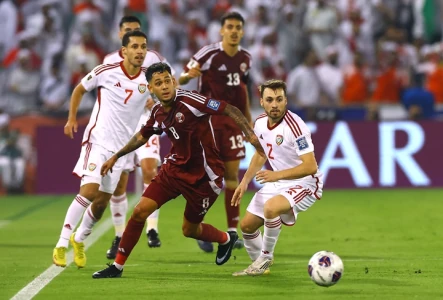
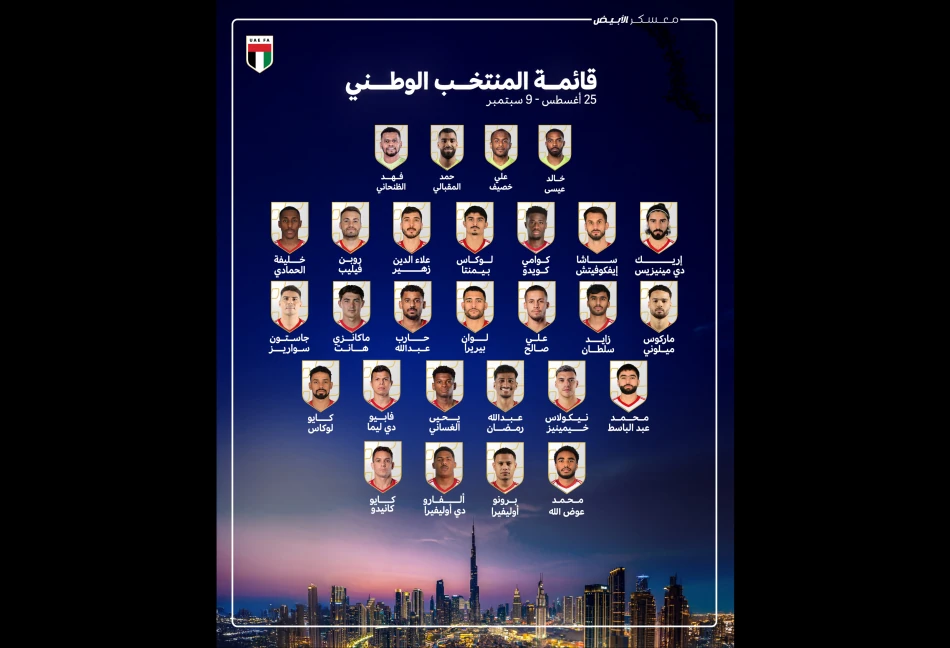
The UAE national football team has announced a 28-player squad for a critical training camp in Dubai as they prepare for decisive World Cup 2026 qualifying matches against Oman and Qatar in October. Under Romanian coach Olario Cosmin, the squad features several strategic additions, including the first-time inclusion of Al Ain striker Mohammed Awadallah, who is currently on loan in the Polish league.
Strategic Preparation for High-Stakes Qualifiers
The training camp, running from Monday through September 9th, represents a pivotal moment in the UAE's World Cup qualification journey. The team will face Syria and Bahrain in friendly matches on September 4th and 9th respectively, serving as crucial preparation for their qualifying playoff matches against Oman (October 11) and Qatar (October 14).
These October fixtures carry enormous significance for UAE football. The matches are part of the qualifying playoff system for the 2026 World Cup, which will be jointly hosted by the United States, Canada, and Mexico. Success in these games could mark the UAE's return to football's biggest stage for the first time since 1990.
Squad Composition Reflects Regional Football Evolution
The 28-player roster showcases the increasingly international character of Gulf football, featuring players with diverse backgrounds and experience across multiple leagues. The inclusion of Mohammed Awadallah from the Polish league signals the UAE's commitment to developing players in European competitions, following a trend seen across the region.
Key Players and Tactical Considerations
The squad includes established names like goalkeeper Khalid Eisa and defender Ali Khaseif, alongside emerging talents and naturalized players who have become integral to the UAE's tactical approach. This blend reflects coach Cosmin's strategy of balancing experience with fresh talent capable of competing at the highest international level.
Regional Context and Competition Dynamics
The UAE's World Cup qualifying campaign unfolds against a backdrop of intense regional competition. Qatar, as defending Asian Cup champions and 2022 World Cup hosts, presents a formidable challenge, while Oman has consistently proven difficult for Gulf neighbors in recent years.
The choice of Dubai as the training base offers logistical advantages and familiar conditions, allowing players to acclimate without the disruption of international travel. This approach mirrors successful preparation strategies employed by other Gulf nations in recent major tournaments.
Implications for UAE Football's Future
These qualifying matches represent more than just World Cup ambitions—they're a test of the UAE's long-term football development strategy. Success would validate investments in youth development, coaching infrastructure, and the integration of international talent that has characterized Emirati football over the past decade.
The expanded 48-team format for the 2026 World Cup provides additional qualifying spots for Asian teams, creating the most realistic pathway for UAE qualification in over three decades. This opportunity, combined with the team's recent performances in regional competitions, positions these October matches as potentially transformative for UAE football.