UAE Economy Poised for Robust Growth, Outpacing Gulf Peers in 2025: IMF
 Layla Al Mansoori
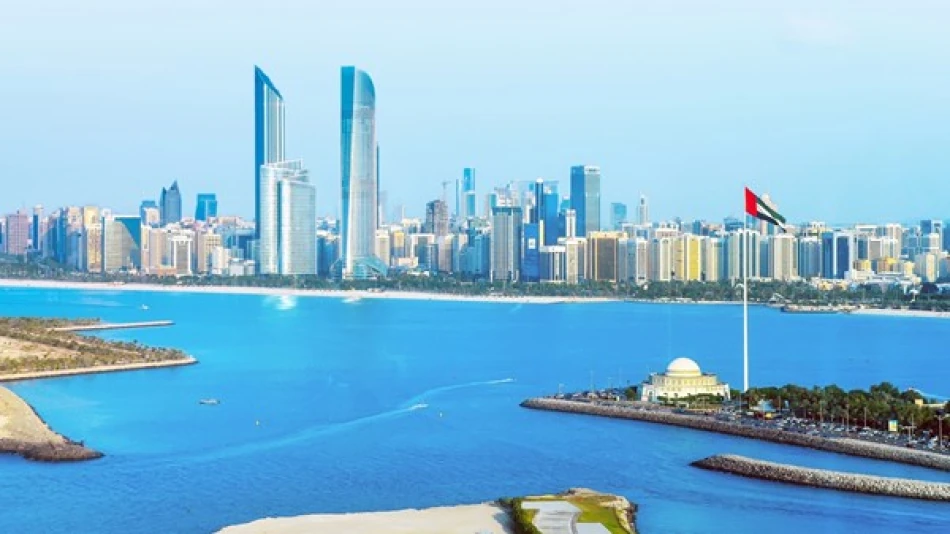
The UAE posted the strongest economic performance among Gulf Cooperation Council countries in 2025, driven primarily by Abu Dhabi's growth, according to the International Monetary Fund's Middle East and Central Asia director. The assessment comes as Gulf states focus heavily on technology and AI investments while navigating global economic shifts.
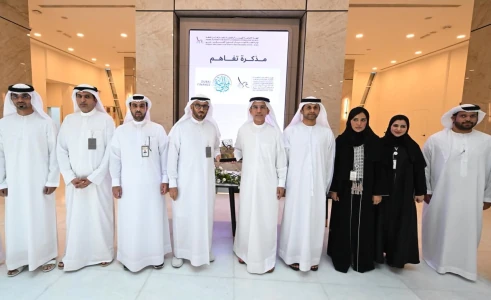
Dr. Jihad Azour made these remarks during Abu Dhabi Financial Week, highlighting how the UAE continues to strengthen its economic diversification strategy. Abu Dhabi's economy served as the main engine powering the country's overall performance, he noted.
The IMF official pointed to technology and artificial intelligence as central priorities for GCC countries moving forward. "Investment in technology and AI represents one of the fundamental elements that Gulf Cooperation Council countries are looking toward in the coming years, and this is a very promising sector," Azour said.
This focus makes sense given the region's push to reduce oil dependence. Gulf states have been pouring resources into tech infrastructure and AI capabilities as part of broader economic transformation plans. The UAE has been particularly aggressive in this space, with major AI initiatives and tech hubs sprouting across the country.
The financial sector across the Gulf is also expanding its role, according to Azour. He noted growth in both fintech and broader financial market development. This trend reflects how Gulf countries are building more sophisticated financial systems to support their diversifying economies.
But the global economic landscape presents challenges. Azour highlighted major shifts happening worldwide due to changing economic policies, particularly trade policies with new tariffs, plus geopolitical tensions affecting multiple regions.
For investors and policymakers, the UAE's strong showing suggests its diversification strategy is working. The country has been investing heavily in non-oil sectors like technology, renewable energy, and financial services. This performance gap with other GCC countries indicates the UAE may be further along in reducing its oil dependence.
The timing matters too. As global trade patterns shift and geopolitical tensions create uncertainty, countries with more diversified economies tend to weather storms better. The UAE's investment in AI and technology could position it well for future economic cycles.