UAE and Serbia Strengthen Ties: Foreign Ministers Sign MoU on Strategic Political Consultations
 Sara Khaled
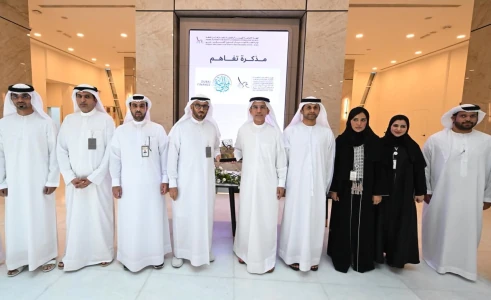
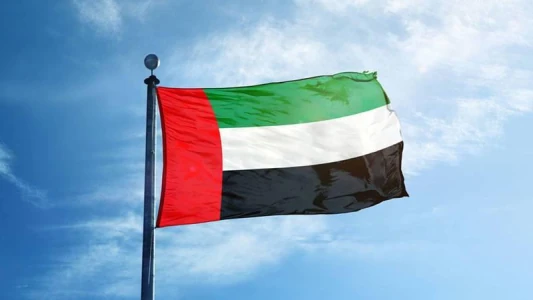
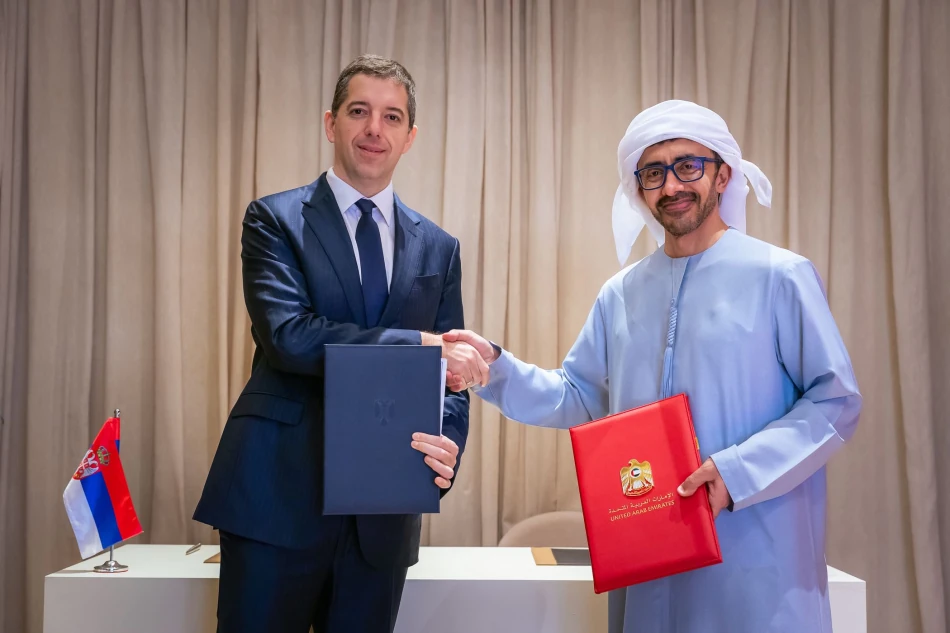
The UAE and Serbia just signed a political consultation agreement that deepens their strategic partnership. Sheikh Abdullah bin Zayed Al Nahyan, the UAE's Deputy Prime Minister and Foreign Minister, met with Serbian Foreign Minister Marko Djuric to expand cooperation across multiple sectors and discuss regional developments.
The meeting focused on building stronger ties between the two countries through their comprehensive strategic and economic partnerships. Both ministers explored ways to work together in various fields, from trade to political coordination.
Sheikh Abdullah emphasized that UAE-Serbia relations rest on solid foundations of mutual respect, trust, and shared interests. He described the partnership as an outstanding example of effective international cooperation that benefits both nations.
The political consultation memorandum they signed creates a formal framework for regular diplomatic discussions. This type of agreement typically means both countries will coordinate more closely on foreign policy issues and regional challenges.
Beyond the formal agreements, the two foreign ministers spent time discussing current regional and international developments. They exchanged views on various global issues, though the specific topics weren't detailed in the announcement.
For the UAE, this partnership fits into its broader strategy of building diverse international relationships beyond traditional allies. Serbia offers the UAE a gateway into the Balkans and stronger ties with European markets. For Serbia, the UAE partnership provides access to Middle Eastern investment and trade opportunities, particularly important as Serbia navigates its position between EU integration and maintaining relationships with other global powers.
The timing of this meeting suggests both countries see value in strengthening cooperation amid current global uncertainties. Political consultation agreements often lead to increased trade, investment flows, and coordinated positions on international issues.