UAE and Democratic Republic of Congo Issue Joint Statement on Strengthening Bilateral Ties
 Layla Al Mansoori
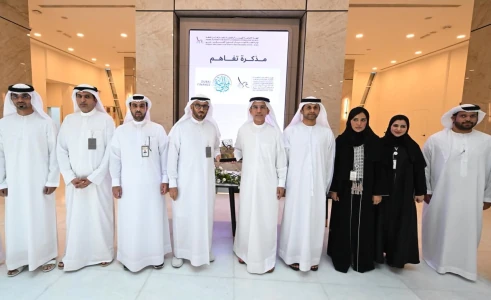
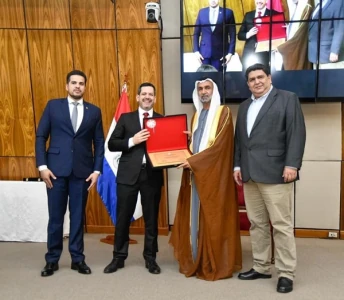
The UAE and Democratic Republic of Congo strengthened their diplomatic ties during a high-level meeting on November 16, 2025, where both nations discussed regional security challenges and reaffirmed their commitment to stability across Africa. The talks, led by UAE Minister of State Sheikh Shakhbout bin Nahyan Al Nahyan and Congolese President Félix Tshisekedi, covered everything from Sudan's civil war to Iran's occupation of UAE islands.
The meeting highlighted how African nations are taking more active roles in regional diplomacy. Congo recently took over the presidency of the International Conference on the Great Lakes Region, and the UAE welcomed this leadership role in promoting regional stability.
Both countries praised the recent Doha Framework Peace Agreement between Congo's government and the M23 rebel alliance. This deal represents a significant step toward national reconciliation in a country that has faced decades of conflict in its eastern regions.
**Sudan Crisis Takes Center Stage**
The two nations strongly condemned attacks on civilians in Sudan's ongoing civil war, particularly in Al-Fashir and other conflict zones. They called on both the Sudanese Armed Forces and Rapid Support Forces to protect civilians and humanitarian workers.
Here's where it gets interesting: both countries placed primary responsibility for ending the civil war squarely on the warring parties. They demanded accountability for crimes committed and insisted that food and aid must stop being used as weapons against civilians.
The UAE and Congo also warned against extremist groups linked to the Muslim Brotherhood dictating Sudan's future. They argued these groups have destabilized the entire region through their influence.
Both nations backed the Quad group efforts - which includes the UAE, United States, Saudi Arabia, and Egypt - to broker a humanitarian ceasefire. The goal is creating space for unrestricted aid delivery and eventually transitioning to civilian-led government free from military and extremist control.
**Regional and Global Issues**
The countries renewed calls for Iran to end its occupation of three UAE islands: Greater Tunb, Lesser Tunb, and Abu Musa. They expressed frustration over the lack of progress in resolving this territorial dispute and supported either bilateral negotiations or taking the matter to the International Court of Justice.
On the economic front, both nations highlighted the upcoming 2026 UN Water Conference that the UAE will co-host with Senegal in December 2026. The UAE has been expanding its water technology initiatives, including the Mohammed bin Zayed Water Initiative, which could benefit water-scarce regions across Africa.
This meeting shows how middle powers like the UAE are building coalitions with African nations to address regional challenges. For Congo, partnering with a wealthy Gulf state provides diplomatic support and potential investment opportunities. For the UAE, these relationships help establish its role as a regional mediator beyond the Middle East.
The emphasis on civilian protection in Sudan and support for diplomatic solutions reflects a broader trend of African and Gulf nations taking more responsibility for regional security issues, rather than relying solely on Western or UN intervention.