U.S. Government Reopens After Longest Shutdown, Awaits House Vote
 Sara Khaled
America's longest government shutdown in history is finally coming to an end after eight Senate Democrats broke ranks to join Republicans in a 60-40 vote approving a compromise deal. The move has sparked fierce criticism within the now-divided Democratic Party, but it clears the path to reopen federal operations that have been frozen since October 1st.
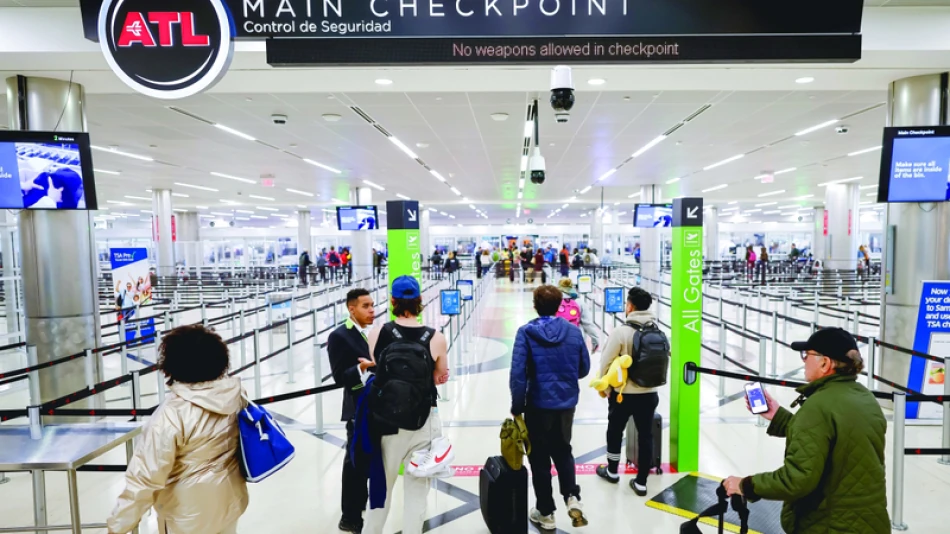
More than one million federal workers haven't received paychecks since the shutdown began. Government services have steadily deteriorated, and air travel took a major hit in recent days with over 1,000 flight cancellations daily. The mounting chaos at airports ramped up political pressure to end the standoff.
Trump told reporters at the White House that "the shutdown will end very quickly, the deal is very good." Senate Republican leader John Thune posted on X that he was happy to support "the path toward ending this unnecessary shutdown in a responsible way that gets federal workers paid quickly and reopens the federal government."
Democratic Senator John Fetterman, who voted for the Republican bill, explained his decision: "Feed everyone, pay our military and government workers and Capitol police, stop the chaos at airports. Country over party."
The Senate-passed funding bill now heads to the Republican-controlled House for a vote. House Speaker Mike Johnson told reporters: "It looks like the long national nightmare we've been living through is finally coming to an end, and we're grateful for that." He said the House, which suspended sessions during the dispute, will reconvene this week after the Martin Luther King Jr. holiday.
At the heart of the Senate fight was the Democratic demand to extend healthcare subsidies that expire at year-end. Republicans insisted any negotiations must happen after ending the government shutdown. Without an extension, costs will double for millions of Americans who got health insurance through Obamacare.
The agreement reopens government through January while funding some programs for the entire fiscal year. It also reverses some Trump administration decisions to fire federal employees and restores funding for the SNAP food assistance program that supports over 42 million low-income Americans.
But the healthcare subsidies remain in limbo. While Republican Senate leadership agreed to eventually hold a vote on healthcare, that doesn't guarantee the subsidies will get extended.
Senator Jeanne Shaheen, one of eight Democrats who backed the deal, said the Senate "took a major step forward toward protecting healthcare for tens of millions of Americans." She noted that Democrats, despite being the minority, secured the power to call for a vote on healthcare legislation.
The Democratic split has created bitter divisions. California Governor Gavin Newsom called the move "pathetic." Senate Democratic leader Chuck Schumer voted no, saying he couldn't "in good faith" support a bill that "doesn't address the healthcare crisis." He insisted "this fight will continue and must continue."
Some House Democrats criticized Schumer himself for failing to keep the party united. The fracture shows how the prolonged shutdown created impossible choices for Democrats between ending immediate suffering for federal workers and securing longer-term healthcare protections for millions of Americans.