U.S. Congress Moves to Lift 'Caesar Act' Sanctions on Syria, Raising Hopes for Improved Ties
 Layla Al Mansoori
The US Congress is preparing to lift the Caesar Act sanctions on Syria as part of the 2026 National Defense Authorization Act, but the move comes with strict conditions that Syria's new government must meet. Meanwhile, over three million Syrians have returned home since the fall of the previous regime, but international funding shortfalls threaten to reverse this progress and leave the country struggling with basic services and unexploded ordnance.
According to media reports, a draft document within the defense authorization framework requires periodic reviews of Syrian government performance. The proposed sanctions relief isn't automatic - it demands concrete steps from Syria's leadership.
Here's what Syria needs to do: combat terrorist organizations, respect minority rights, avoid unilateral military action against neighboring countries, fight money laundering and terrorism financing, and prosecute crimes against humanity committed under the previous regime. If Syria fails to meet these requirements for two consecutive reporting periods, sanctions can be reimposed.
The draft requires the US president to submit an initial report to relevant congressional committees within 90 days, then every 180 days for four years. This creates a monitoring system that keeps pressure on Syria's new government while offering a path forward.
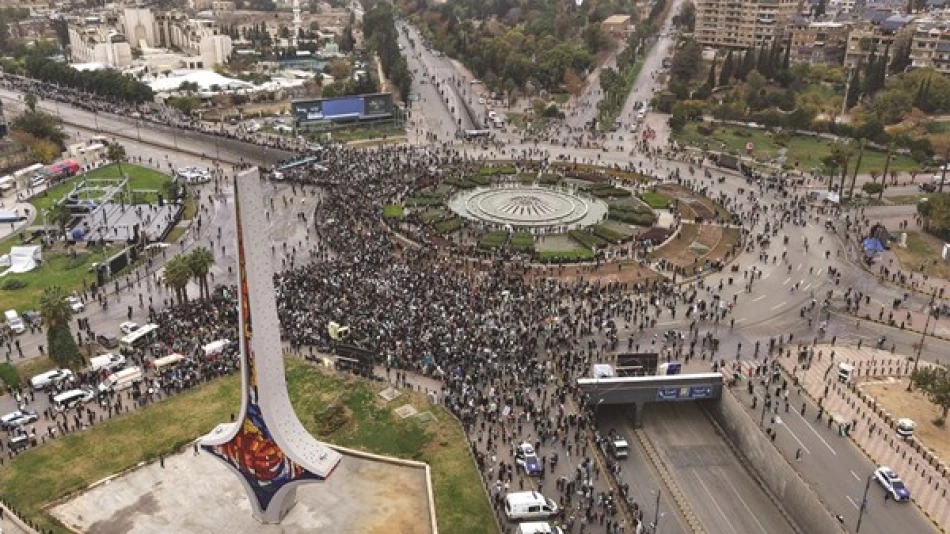
But there's a bigger problem brewing. The UN High Commissioner for Refugees reports that while 1.2 million refugees and 1.9 million internally displaced people returned home last year after the regime fell on December 8, 2024, about 5 million Syrian refugees remain outside the country's borders. Most are in neighboring countries like Jordan and Lebanon.
UN High Commissioner for Refugees Filippo Grandi warned donor countries in Geneva that returning Syrians might reverse their decision and head back to host countries unless support increases. He's asking whether the world is ready to help Syrian refugees who want to return and rebuild their country.
The numbers tell a stark story. Only 29% of Syria's $3.19 billion humanitarian response efforts are funded this year. This comes as major donors like the United States are making significant cuts to foreign aid.
The funding crisis creates real dangers. The Humanity and Inclusion relief organization says slow removal of unexploded ordnance is a major obstacle to recovery, with funding reaching only 13% of what's needed. More than 1,500 deaths and injuries occurred last year from these explosives.
Healthcare is also struggling. The World Health Organization found that only 58% of hospitals were operating at full capacity last month. Some face power outages that disrupt cold chains for vaccine storage, creating a gap as aid money shrinks before Syria's new government can provide adequate support to health institutions.
Relief officials say Syria is caught in a cruel paradox. The end of the war means the country no longer qualifies as an emergency situation deserving funding priority, even though it desperately needs support for reconstruction and stability. This timing mismatch could undermine the fragile progress made since the regime change and potentially force returning refugees to leave again.