Two Killed in Israeli Airstrikes on Southern Lebanon: Escalating Tensions in the Region
 Sara Khaled
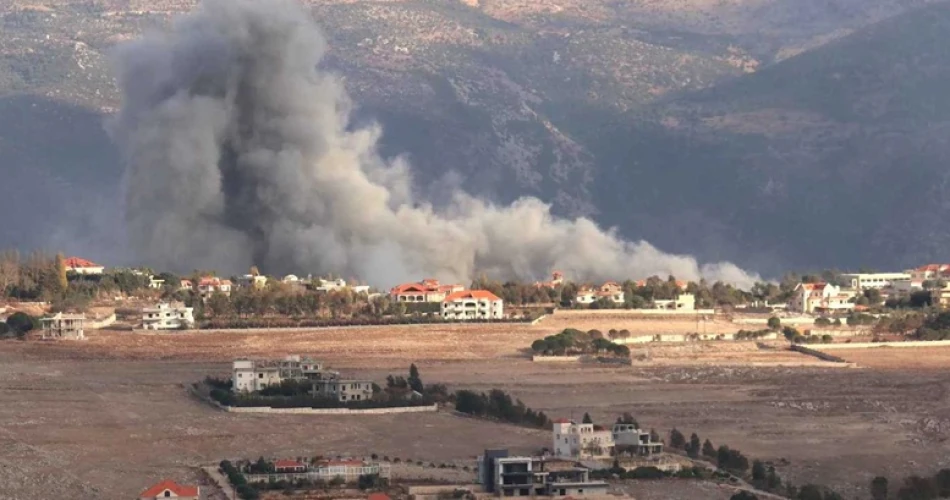
Two people died in Israeli airstrikes on Lebanon today, marking continued violations of the fragile ceasefire that took effect in November 2024. The strikes hit targets south of Beirut and near the Israeli border, with Israel claiming it targeted Hezbollah operatives while Lebanese officials reported civilian casualties.
The Lebanese Health Ministry and security sources confirmed the deaths from two separate strikes. One hit a small truck in the town of Sablin, about 30 kilometers south of Beirut, killing one person and wounding four others. The second strike targeted a vehicle on the Adaisseh-Markaba road near the Israeli border, killing one person.
At the Sablin strike site, Lebanese army troops cordoned off the area while firefighters worked to extinguish flames that erupted after the attack. The targeted vehicle appeared to be a small commercial truck used for transporting goods, with its front windshield damaged in the strike.
Israel's military said it targeted two Hezbollah members in the operations. The Israeli Defense Forces have continued conducting airstrikes across different areas of Lebanon, claiming these operations aim to prevent Hezbollah from rebuilding its capabilities after suffering significant losses during the devastating war between the two sides.
The conflict lasted more than a year before the current ceasefire agreement went into effect. But the truce remains fragile, with both sides accusing each other of violations. Israel maintains that Hezbollah continues to pose a threat and is attempting to restore its military infrastructure in southern Lebanon.
These latest strikes highlight the precarious nature of the ceasefire deal. The agreement was supposed to end hostilities and allow Lebanese army forces to deploy in the south while Israeli forces withdrew from Lebanese territory. But sporadic incidents continue to test the durability of the arrangement.
For regional markets and investors, the ongoing tensions keep Middle Eastern assets under pressure. Oil prices remain sensitive to any escalation that could disrupt regional stability or shipping routes. The Lebanese pound, already weakened by years of economic crisis, faces additional strain from continued security concerns.
The international community, including the United States and France who helped broker the ceasefire, will be watching closely to see if these incidents spiral into broader confrontation or remain isolated events that both sides can manage without returning to full-scale warfare.