Securities Authority Unveils Groundbreaking Risk Assessment Methodology
 Layla Al Mansoori
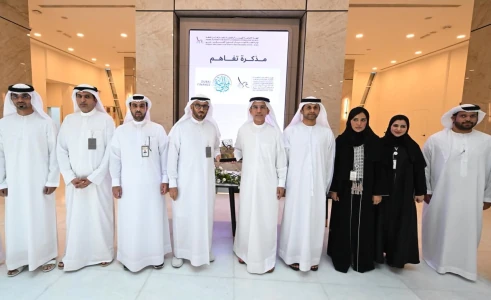
The UAE's Securities and Commodities Authority just launched a new smart surveillance system for the country's financial sector. The regulator held a major workshop to introduce 587 participants from over 215 companies to an updated risk assessment method built on international best practices. This marks a significant shift in how the UAE monitors its financial markets.
The workshop drew massive attendance, showing how seriously the sector takes regulatory changes. Companies know they need to stay ahead of compliance requirements, and this turnout proves they're paying attention.
The new risk assessment model becomes the foundation for supervision going forward. It lets the authority focus on critical areas that actually affect market stability. The system covers money laundering and terrorism financing risks, financial solvency issues, market behavior and investor protection, operational risks and governance, plus cybersecurity and technology threats.
Here's where it gets practical: the authority also rolled out a new electronic system for companies to submit their responses. The digital forms are designed to be simple and secure, making compliance easier for firms while giving regulators better data quality.
The digital shift does more than just standardize information. It helps companies comply more easily and gives the authority sharper, more effective oversight. The regulator can now spot risks earlier and deal with them before they become problems. Companies benefit too - less paperwork, fewer duplicate requirements, and simpler data collection processes.
Walid Al Awadi, the authority's CEO, called this a turning point for the UAE's financial sector development. He emphasized this isn't just a regulatory update but a complete strategy to build a sustainable, strong, and resilient financial sector. The new approach boosts risk-based supervision efficiency, raises compliance standards, and strengthens investor confidence in UAE markets.
For investors and market participants, this means more robust oversight and potentially more stable markets. The UAE is positioning itself as a serious financial hub with world-class regulatory standards. Companies operating in the Emirates will face more sophisticated monitoring, but they'll also benefit from clearer guidelines and streamlined processes.
The strong response from licensed companies during the workshop shows the sector is committed to following modern compliance standards and building a stronger risk management culture. The authority plans to maintain ongoing communication with the industry to ensure smooth implementation of the new methodology.