Russia Prepared to Resume Peace Talks: Exploring the Path to Diplomatic Resolution
 Layla Al Mansoori
Russia says it's ready to restart peace talks with Ukraine in Istanbul, putting pressure back on Kyiv as the war nears the end of its fourth year. But Ukraine rejects Moscow's claims that it's responsible for stalled negotiations, while both sides continue trading drone strikes and battlefield losses.
Alexei Polishchuk, a Russian Foreign Ministry official, told the TASS news agency that Moscow is prepared to resume negotiations in Turkey's largest city. Turkish officials have repeatedly called for renewed peace talks, he said, adding "the Russian team is ready for that, and the ball is in Ukraine's court."
The two countries haven't held direct talks since a brief 40-minute meeting in Istanbul on July 23. During that session, Ukraine proposed an August summit between Presidents Volodymyr Zelensky and Vladimir Putin. The Kremlin later said Putin would meet Zelensky, but only in Moscow — a condition Kyiv rejected.
This diplomatic back-and-forth highlights the deep mistrust between both sides. Russia wants to project readiness for peace while maintaining its negotiating position. Ukraine, meanwhile, faces growing international pressure to consider talks but worries about legitimizing Russian territorial gains.
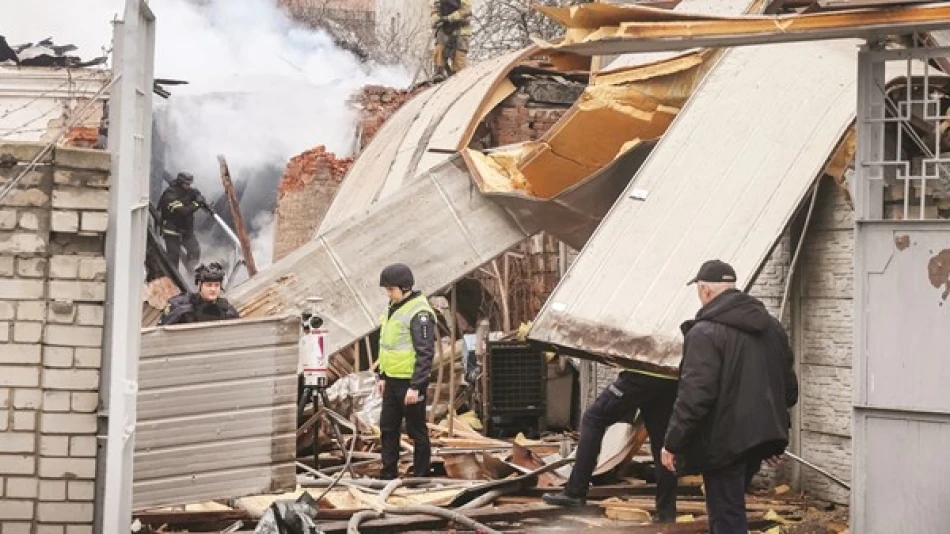
The war continues on multiple fronts. Russian air defenses shot down 22 Ukrainian drones overnight, including one headed toward Moscow, according to Russian authorities. In the southern Stavropol region, a Ukrainian drone strike sparked a fire at an industrial facility, though officials reported no casualties.
Ukraine is also losing ground in some areas. Ukrainian forces withdrew from positions near a residential area in Zaporizhzhia in the country's southeast, though they say they stopped further Russian advances. The military explained the pullback was necessary "to preserve personnel lives" after their positions took heavy shelling damage.
These tactical retreats show the grinding nature of the conflict. Both armies are struggling with manpower shortages and equipment losses after nearly four years of fighting. For investors and global markets, the continued stalemate means ongoing uncertainty about energy supplies, grain exports, and regional stability.
Turkey's role as a potential mediator remains significant. Ankara has maintained relationships with both Moscow and Kyiv throughout the conflict, making it one of the few countries both sides might trust to host talks. But previous negotiation attempts have collapsed over fundamental disagreements about territory and security guarantees.