Poland Rejects US Peace Plan for Ukraine, Calls for Comprehensive Negotiations
 Layla Al Mansoori
Poland and Germany are pushing back against a new peace plan for Ukraine that reportedly involves major concessions to Russia, including cutting Ukraine's military in half and giving up Russian-controlled eastern territories. The plan, allegedly proposed by U.S. officials, has already been shared with Kyiv but not with the European Union.
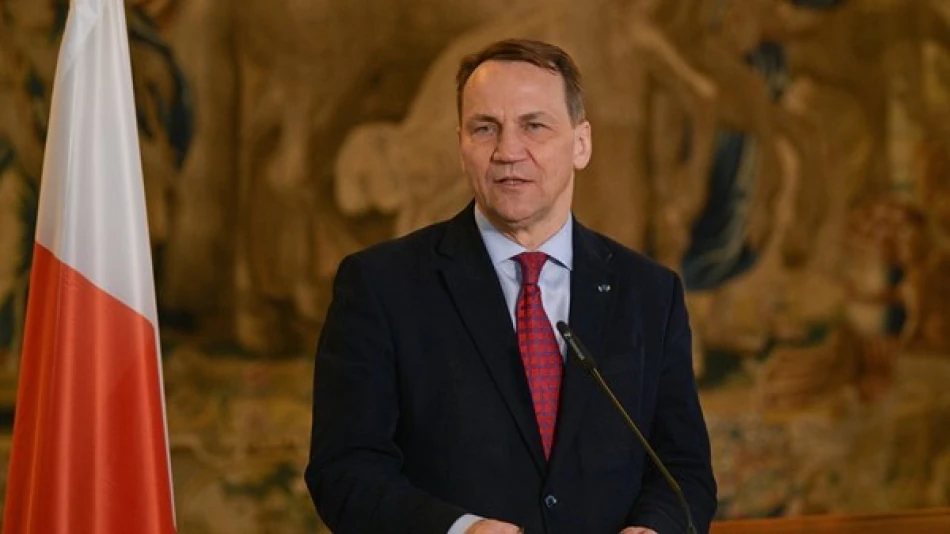
Polish Foreign Minister Radoslaw Sikorski voiced his opposition to the plan on Thursday, while a senior German official called it "unacceptable." The proposal, reported by the Financial Times, would require Ukraine to reduce its army by 50% and surrender the eastern regions of Donetsk and Luhansk that Russia currently controls.
The timing is significant. With ongoing military pressure and winter approaching, there's growing international discussion about potential diplomatic solutions. But European allies appear skeptical of any deal that rewards Russian territorial gains.
Here's where it gets complicated for markets and policy. European defense spending has surged since Russia's invasion, with countries like Poland dramatically increasing military budgets. A peace deal that legitimizes territorial conquest could reshape how European nations approach defense investments and NATO commitments.
The plan's details suggest a fundamental shift in Western strategy - moving from supporting Ukrainian territorial integrity to accepting partial Russian victory. This would mark a major departure from the current approach of military aid and sanctions.
Sources in Brussels say the EU hasn't been briefed on the proposal yet, highlighting potential coordination issues between the U.S. and European allies. This disconnect could complicate any unified Western response to future peace initiatives.
The strong European rejection suggests significant diplomatic hurdles ahead. Both Poland and Germany have been key supporters of Ukraine, and their opposition indicates that even if the U.S. backs such a plan, European buy-in remains uncertain.