Playful Preschool Celebrations: Balancing Social Showcases and Childhood Innocence
 Omar Rahman
Early childhood education centers across the UAE have turned into weekly costume parties, creating unexpected financial pressure on parents who thought they were simply enrolling their toddlers in basic childcare. What started as "Fruit Day" and "Cartoon Character Day" has evolved into a demanding schedule of themed events that require constant shopping trips and preparation time.
Parents who chose nurseries to ease their daily burden while managing work and life responsibilities now find themselves facing a new kind of commitment. The diaper bag no longer just holds essentials like diapers and milk bottles. It now needs seasonal fruits, costume outfits, and accessories to match the day's theme. Each week brings fresh expenses and preparation time, often without clear educational purpose.
This shift reflects a broader consumer culture creeping into early childhood education. Instead of focusing on core needs like care, nurturing, and basic learning, some nurseries have become social showcase venues. The constant preparation erodes the peaceful, spontaneous nature that early childhood years should have.
Raja Abdul Latif Mahmoud, a mother, told Al Khaleej newspaper that nursery requirements have become excessive. "We need special colors, art supplies, or specific costumes. This increases our financial burden," she said. "Sometimes I feel these requirements repeat excessively, making it difficult to keep up with every activity without feeling increasing financial pressure, especially with other children at home."
The timing creates additional stress. Sara Al Mansoori explained that nurseries typically inform parents about events and requirements just two or three days beforehand. "This is very short notice, especially when the event requires buying specific costumes or special tools online," she said. "Often these orders don't arrive on time, causing pressure and tension for the family."
Some parents report surprise expenses. Reem Abdul Rahman noted that activities often need materials not mentioned in advance. "This makes some expenses unexpected for us parents, making it difficult to plan financially and manage our budget well."
The emotional impact on children can be significant. Malak Mohammed described a difficult situation when her daughter couldn't afford the required uniform for a nursery celebration. "When my daughter went to nursery and saw other children wearing the uniform, she felt deep sadness and embarrassment. This affected the child's psychology and made her feel different or less important."
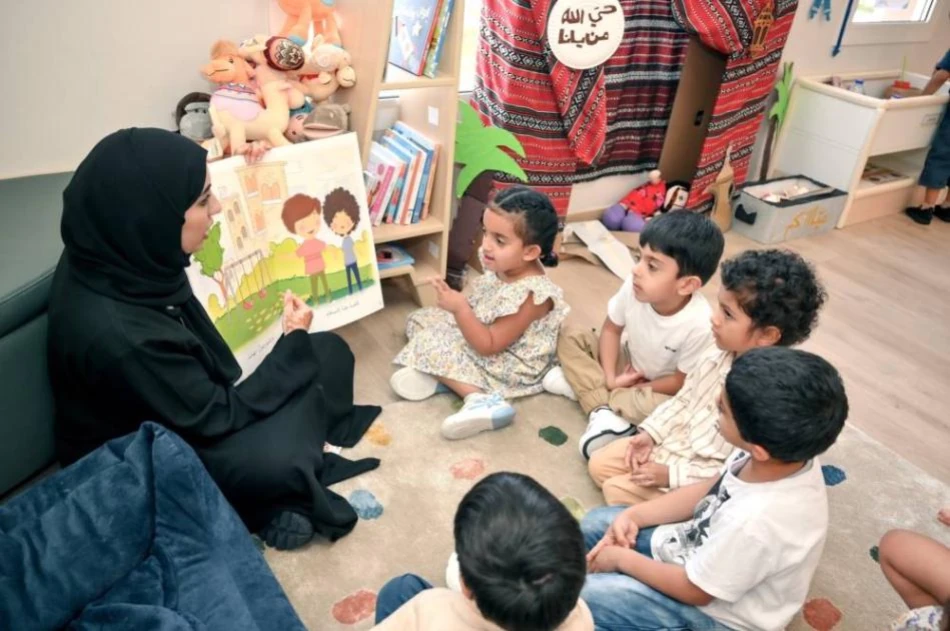
Nursery administrators defend these programs as educational tools. Moza Al Muhairi, assistant director at one nursery, argues that weekly activities play a major role in developing children's social, language, and motor skills. "They give children opportunities to express themselves, interact with classmates and teachers, and acquire new vocabulary," she said.
May Saeed, another nursery director, outlined their approach: "We inform parents in advance about weekly activity plans through messages or electronic schedules via nursery communication apps. We ensure required preparations are very simple and don't represent a financial or logistical burden on families."
The Abu Dhabi Department of Education and Knowledge has established clear guidelines requiring early education institutions to obtain approval before imposing additional fees. According to policies that all early education institutions must fully comply with starting the 2025-2026 academic year, nurseries must clearly outline any additional fees beyond tuition in their fee policies.
The regulations specify that additional fees cannot be imposed on parents without their consent. All extra charges must be detailed in bills, and institutions must handle non-payment cases with understanding to avoid embarrassing children or parents.
But here's the thing - there's a gap between official policy and daily practice. Many parents feel these themed days have become mandatory social expectations rather than optional educational activities. The frequent nature of these events, combined with short notice periods, creates a cycle where families feel pressured to participate regardless of their financial situation.
The challenge lies in balancing genuine educational value with commercial pressure. While themed days can indeed help children learn about healthy eating, express creativity, and build social connections, the execution often prioritizes appearance over learning outcomes.
For working parents already juggling multiple responsibilities, these constant requirements add another layer of complexity to their daily routines. The original promise of nurseries - providing reliable childcare that supports family life - gets complicated when parents must regularly shop for specific items and prepare elaborate outfits for their toddlers.
This trend reflects broader questions about early childhood education priorities. Should two and three-year-olds be participating in weekly themed performances, or should their educational focus remain on basic development, social skills, and emotional security? The answer may determine whether nurseries serve families' practical needs or create additional burdens in the name of enrichment.