NVIDIA Develops Software to Secure Its Chips from Smuggling
 Omar Rahman
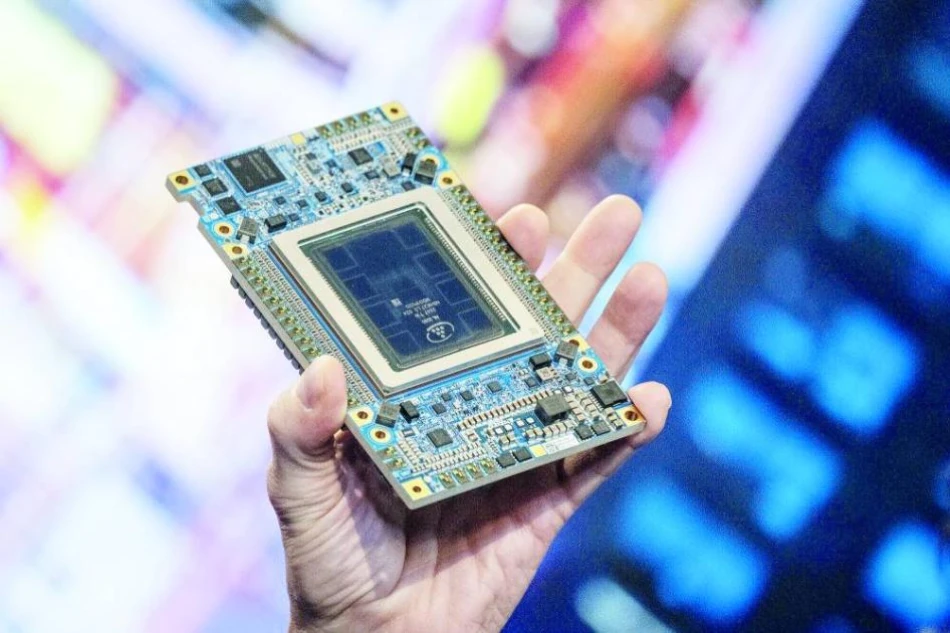
Nvidia has developed location verification technology that can identify which country its AI chips are operating in, a move designed to prevent smuggling to nations where exports are banned. The optional software update uses the company's confidential computing capabilities and could help address growing US government pressure to stop chip trafficking to China and other restricted countries.
The new feature works by tracking the overall computing performance of chips - something companies routinely do when managing large fleets of processors in data centers. But here's where it gets interesting: the software uses network latency when connecting to Nvidia-operated servers to estimate the chip's location, similar to how other internet-based services can pinpoint geographic positions.
Nvidia plans to roll out this capability first on its newest Blackwell chips, which include more security features for a process called "attestation" compared to previous generations like Hopper and Ampere processors. The company is exploring options to bring similar functionality to those older chip families as well.
The timing isn't coincidental. The White House and lawmakers from both parties have been pushing tech companies to take stronger steps against AI chip smuggling. These calls have grown louder as the Justice Department filed criminal cases against China-linked smuggling networks allegedly trying to bring more than $160 million worth of Nvidia chips into China.
For investors and the broader tech industry, this represents a significant shift in how semiconductor companies might need to monitor their products after sale. The technology could become a template for other chipmakers facing similar export restrictions, especially as governments worldwide tighten controls on AI hardware.
But there are practical challenges. The software is optional, meaning determined smugglers could simply choose not to install it. And sophisticated operations might find ways to mask their true locations through various technical methods.
The broader context here matters too. US export controls on AI chips to China have created a complex web of restrictions that companies must navigate. These rules aim to prevent China from accessing cutting-edge AI technology that could have military applications, but they've also created lucrative black markets for restricted hardware.
For Nvidia, which dominates the AI chip market, this location tracking feature shows the company is trying to stay ahead of regulatory pressure while protecting its ability to sell in approved markets. The technology could help demonstrate compliance efforts to US officials who have been scrutinizing whether current export controls are working effectively.